Imagine telling somebody that you have lost something precious — but without speaking. You could search an empty pocket, look beneath a chair and pause when you notice a familiar shape.
Would they understand? What would you need to show them first?
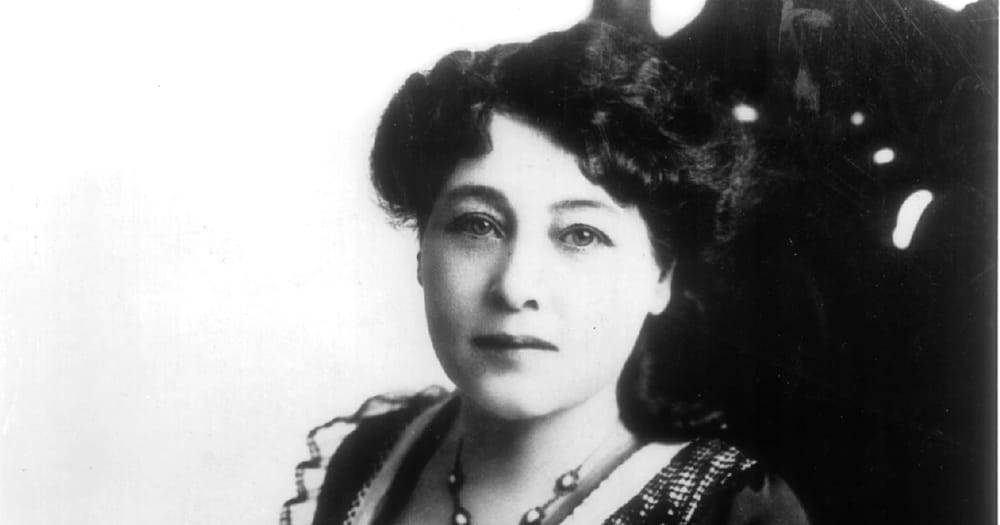
Those questions lead towards the work of a director: not simply recording what happens, but helping an audience follow a story. More than a century ago, Alice Guy-Blaché was exploring what this young art could become.
Who was Alice Guy-Blaché?
Alice was born in France in 1873 and lived until 1968. You may also find her called Alice Guy or Alice Blaché in books and archives. Different versions of her name belong to the same remarkable filmmaking career.
She began as a secretary working for Léon Gaumont, whose business was involved in photographic equipment and early cinema. She went on to make films and lead film production at Gaumont, before continuing her career in the United States.
The Whitney Museum identifies her as the first woman director. The Library of Congress describes her as one of the earliest filmmakers to use the medium for narrative stories.
A narrative is a story: people or characters doing things, events connecting, something changing. Calling Alice a pioneer recognises her place near the beginning of this work. It does not mean that she invented every part of cinema on her own.
What did Alice see in the moving picture?
A camera could record an event: a passing parade, a boat race or a train travelling along. But Alice was interested in the possibilities of characters and plots as well.
The Library of Congress's newspaper account describes that interest in dramatic stories and changing scenes. A moving picture could show something that somebody had imagined, arranged and performed for the camera.
Think about our lost-object example. A view of an empty pocket gives you one piece of information. A search beneath the chair gives you another. A delighted expression might tell you that the search has ended.
You are not only asking, “Can the camera see this?” You are asking, “Will the audience understand why it matters?”
Alice explored that larger question through many kinds of films. According to the Whitney, her work included comedies, dramas, westerns, detective stories and adaptations of books and plays. There was not just one kind of story she wanted to tell.
What does a film director do?
For your own small film, think of the director as the person helping the story take shape on screen. You need to decide what happens, what the audience sees and how the performers show it.
Suppose a toy bear has lost a scarf. You might begin beside an empty hook, show the scarf beneath a chair, then finish with the bear wearing it. If you never show the empty hook, will the audience realise anything was missing?
These are choices you can explore before you pick up a camera. A storyboard is a plan made from pictures. BBC Bitesize's filmmaking guidance explains how storyboards help directors think about the shots, framing and order of a story.
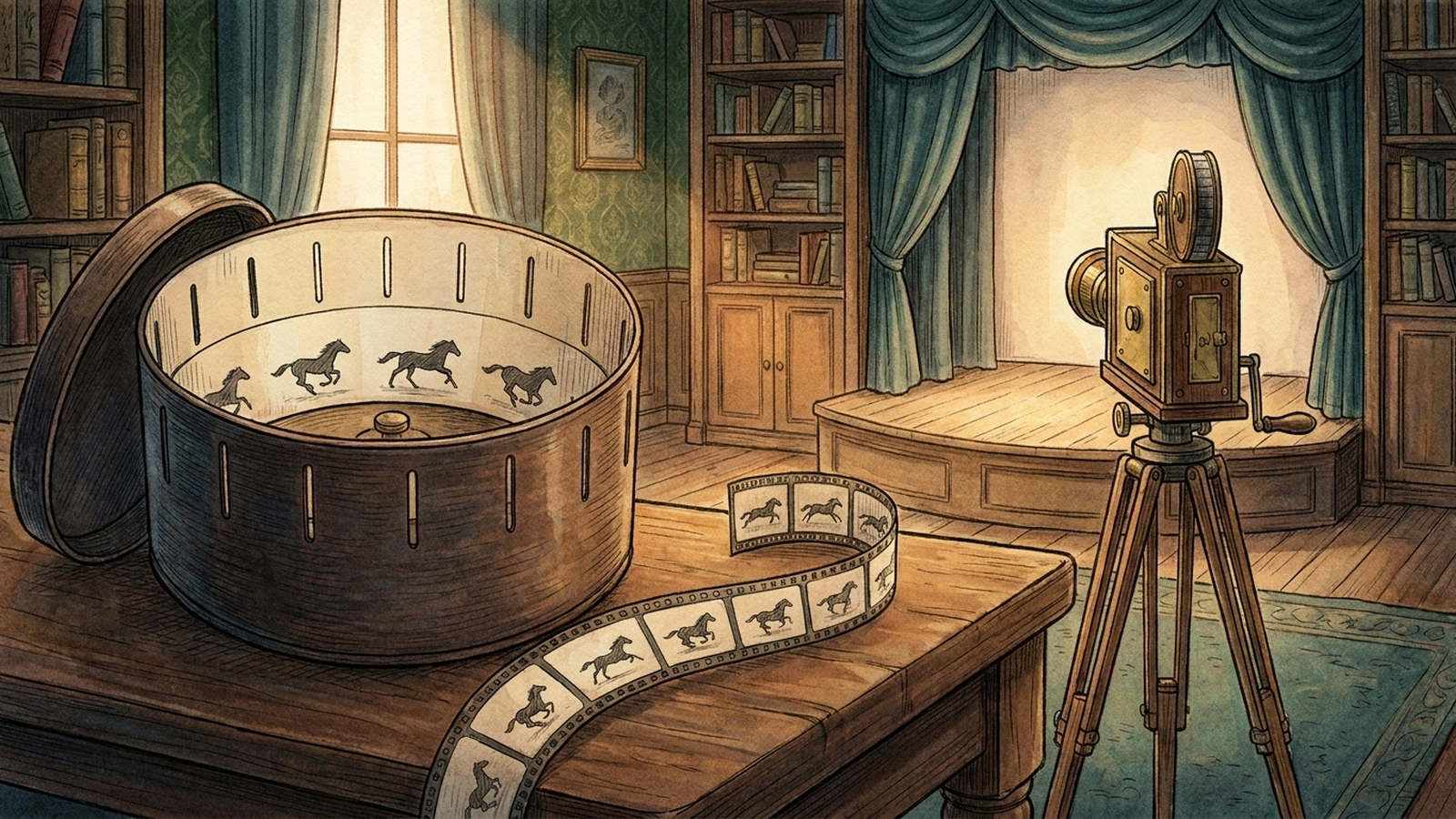
A drawing can stand for a whole stretch of action. It need not show every moment. A storyboard plans what to film; an animation strip uses its sequence of drawings to create apparent movement. Explore that different use of pictures in What Is a Zoetrope, and How Does It Make Pictures Move?.
This is a modern planning exercise, not a claim that Alice used these exact drawings or methods. It gives you a small way into the questions a filmmaker faces.
How did Alice run a film company?
Alice did more than direct individual films. In 1910, she started Solax in the United States, initially using a studio in Flushing, New York. In 1912, she built a studio for the company in Fort Lee, New Jersey, as Columbia University's Women Film Pioneers Project records.
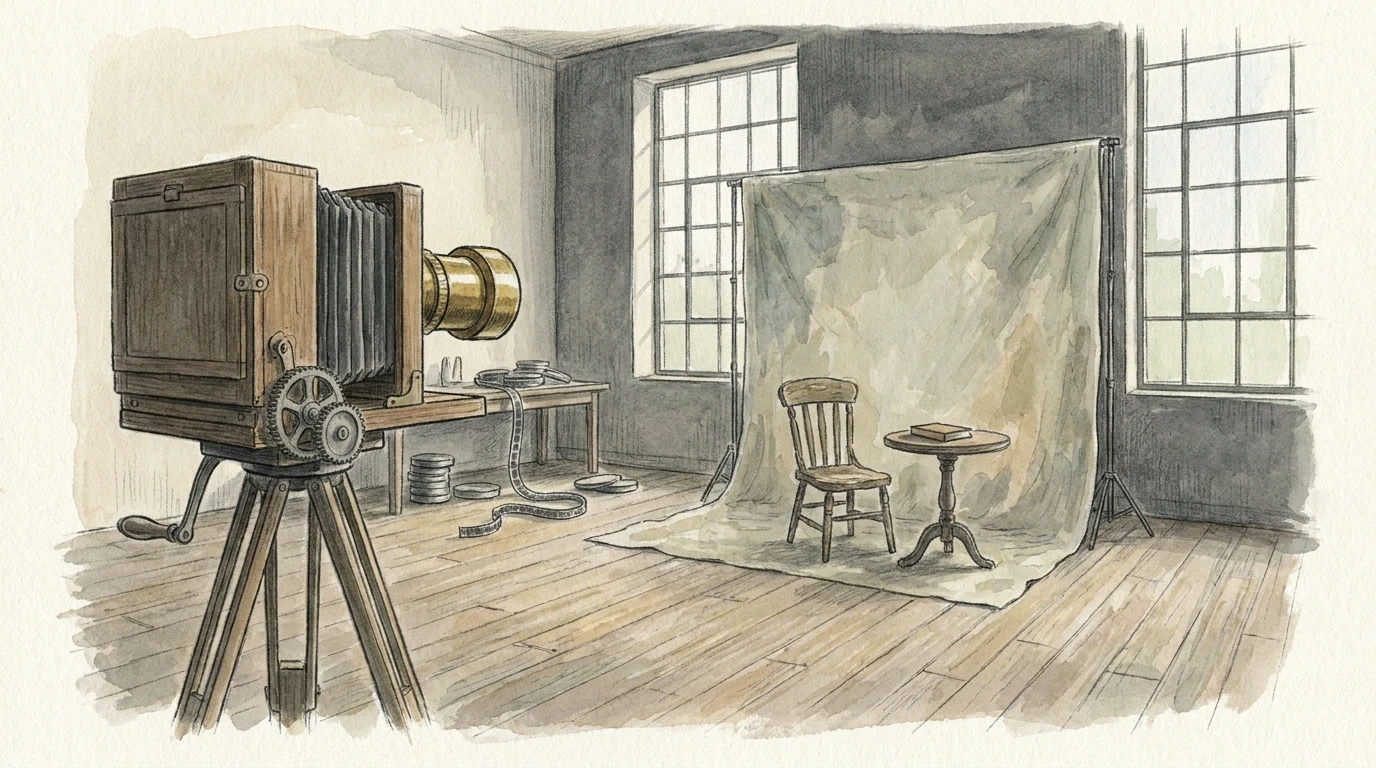
Making films there involved much more than a camera. The San Francisco Silent Film Festival describes workshops, props, sets and spaces for processing film. Stories needed people and practical work to bring them into view.
Alice's roles included writing, directing, producing and supervising other people's work. Those are connected jobs, but they are not interchangeable. A film made under her leadership was not necessarily a film she personally directed.
Imagine organising several little productions rather than just one: agreeing on stories, preparing places to film and helping different people work together. Her place in film history includes that leadership as well as the pictures she created.
How can an action show what a character is thinking?
One of Alice's surviving films, Falling Leaves (1912), offers a thoughtful example. Columbia's filmography credits her as its producer and director.
In the story, a little girl hears a frightening prediction connecting her older sister's illness with the falling autumn leaves. She believes that putting the leaves back on the branches might keep her sister alive. The BFI's account describes this premise.
The child's action gives you a way to think about her fear and her wish to help. Rather than only being told that she loves her sister, you have a very particular thing she tries to do.
That is a useful storytelling question: what could your character do that would help somebody understand what they feel?
For your own story, choose something gentler. A toy waiting beside an empty chair might suggest loneliness. Moving another toy into that chair could change the feeling. These are invented examples for you to test, not scenes from Alice's film.
Wonderfully Surprising Facts
- Alice's films were not all silent. The Whitney records early films with synchronised sound, while Columbia describes her work with the Gaumont Chronophone. Sound and moving pictures were already being explored together during her career; it would be misleading to put every film she worked on into a silent-only box.
- Her American studio was not in Hollywood. Solax's Fort Lee studio was in New Jersey. Alice's career reminds you that the story of American filmmaking includes places far from the Hollywood sign.
- Her work came in very different lengths. The Whitney describes films lasting less than a minute as well as full-length, multi-reel features. A small story and a much longer one could both belong to her working world.
Down the Rabbit Hole: How do we know who made an old film?
Once you start looking for Alice's work, another question appears. What if the film survives, but the information about its maker is missing or uncertain?
The San Francisco Silent Film Festival explains that lost films, sparse records and mistaken attributions make parts of her early career difficult to establish. Attribution means working out who should be credited for a piece of work.
That is why a confident sentence on a website is not always the end of the investigation. Historians compare surviving evidence, and sometimes the honest answer remains uncertain. Alice's best-known early title, The Cabbage Fairy, belongs to a particularly complicated discussion of dates and versions.
Finding and caring for films matters too. The Women's Film Preservation Fund helped preserve Alice's Matrimony's Speed Limit and A House Divided. Its work also supported the preservation of Mixed Pets.
Preserving a film and identifying its maker are related but different tasks. One helps keep the work available; the other helps give the people behind it their proper place.
When you make your own story, try keeping a little record: who planned it, who performed, who filmed and when. You are leaving clues for somebody who might want to understand it later.
Try It Yourself: Tell a story in three shots
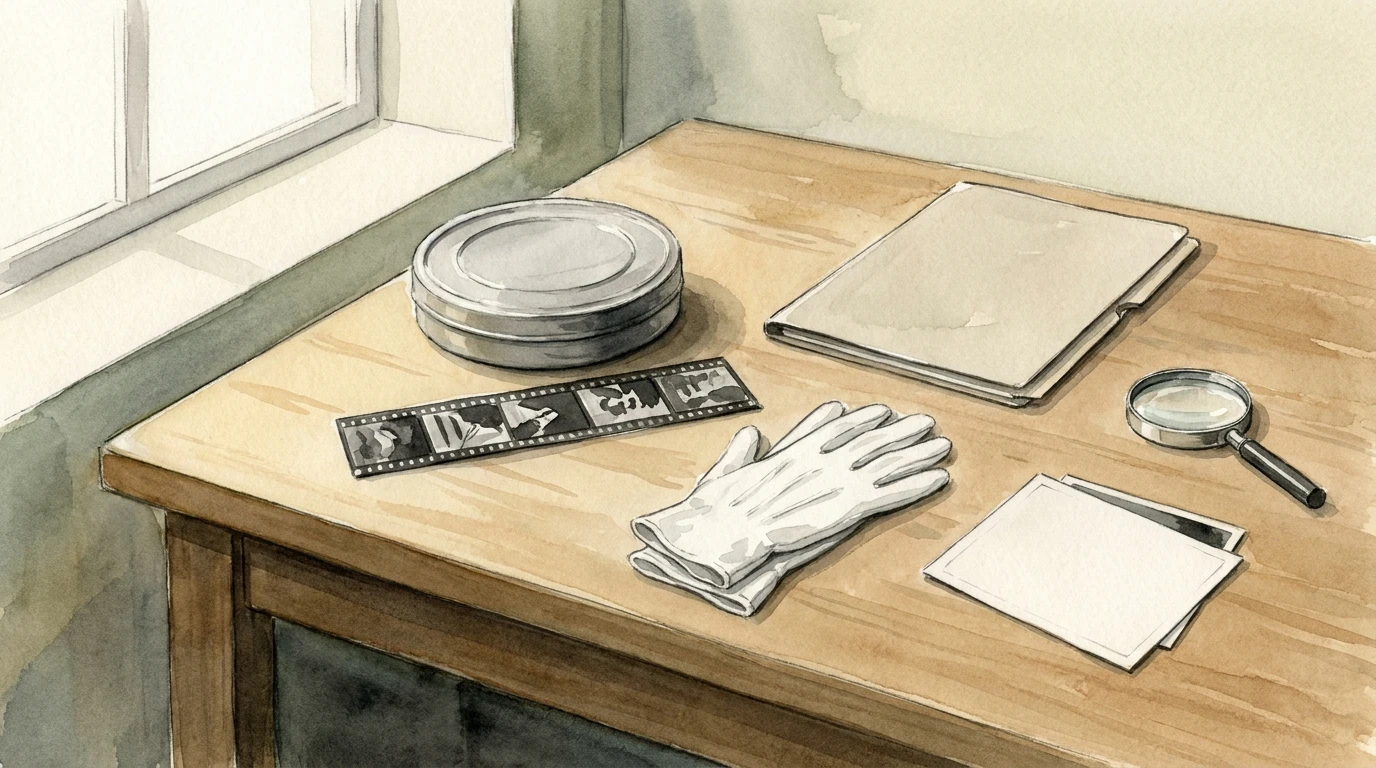
Can somebody follow your story without hearing you explain it? You can try with three drawings, a tiny performance or three short recordings.
A shot is one continuous piece of filming. For this experiment, use three shots to give your audience three pieces of information. Three is a starting challenge, not a rule that all stories must follow.
- Choose a small problem. Our toy bear has an empty scarf hook. You could choose another toy or an ordinary missing object instead.
- Draw the beginning. Show enough for your audience to notice that something is missing. Keep the setting simple.
- Draw a discovery. Perhaps the scarf is beneath a chair. Decide whether a closer view would make that clue easier to see.
- Draw the ending. Show what has changed. The bear has the scarf again: how will you make that clear?
- Share without explaining. Lay out your pictures, perform the actions or show your three clips. Ask somebody what they think happened.
- Change one choice. Remove a picture, swap two or change what is visible. Does the story still make sense? Restore the clearest version.
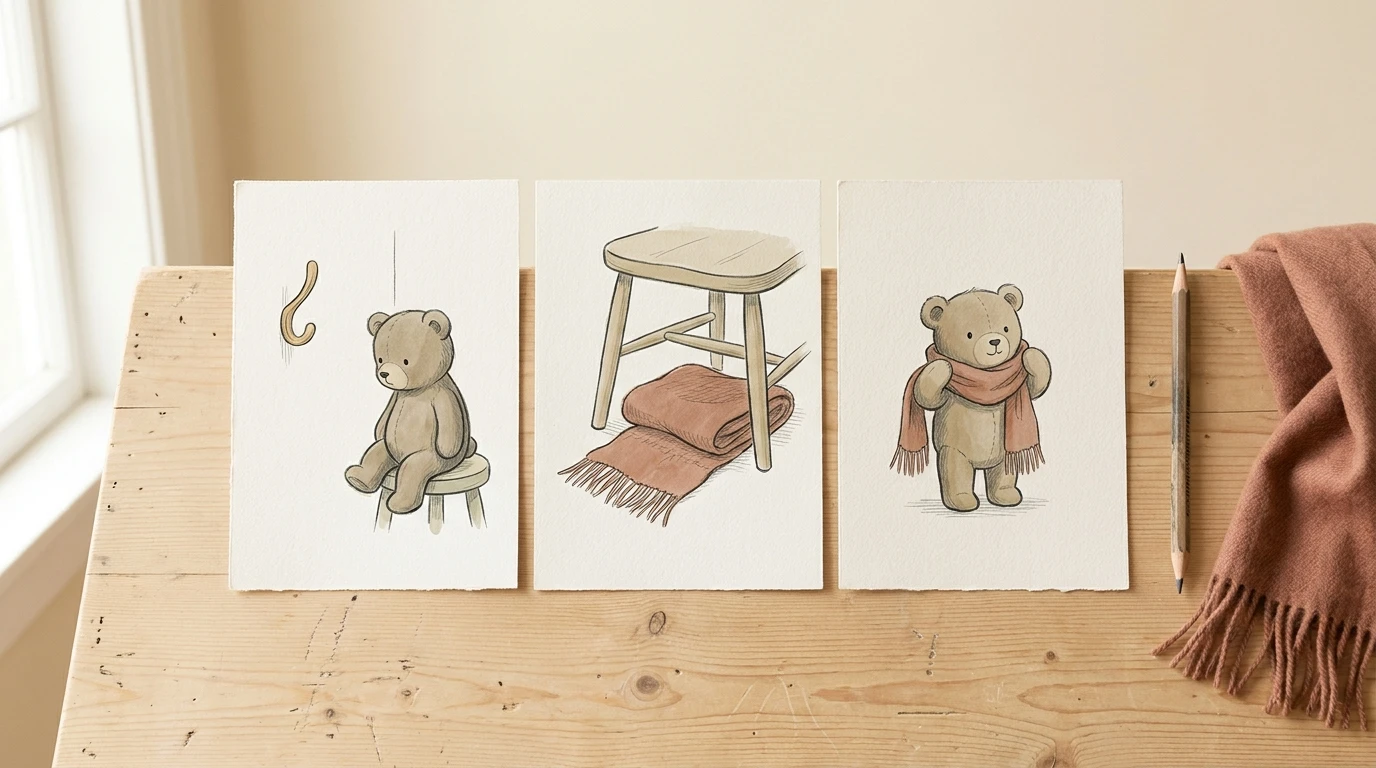
You do not need polished drawings or costumes. The interesting discovery is what your audience notices — including something you thought was obvious but forgot to show.
If you film the toys, a grown-up can help record the clips in order. You do not need an editing app or an online audience to try the idea. Give your little production a title afterwards and write down who helped make it.
The Big Takeaway
Alice Guy-Blaché belongs in the story of cinema not only because she came early, but because of what she did: made stories, explored possibilities and led people in creating films.
Remember your silent search beneath the chair. What will you show first? Which small action will help somebody understand?
You are beginning with questions rather than expensive equipment. Alice's career gives you a reason to look more closely at both sides of a film: the story on the screen, and the people whose work brought it there.
Sources and Further Reading
- Whitney Museum — Alice Guy Blaché: Cinema Pioneer: pioneer status, the range of her work, lengths and synchronised sound.
- Columbia University — Women Film Pioneers Project: Alice Guy Blaché: biography, Solax chronology, roles and archival film credits.
- Library of Congress — Cinema's First Woman Director in Newspapers: her career and historical newspaper evidence.
- BFI — Out of Oblivion: Alice Guy-Blaché: a historical account including the premise of Falling Leaves.
- San Francisco Silent Film Festival — The Solax Films: the practical world of her studio.
- San Francisco Silent Film Festival — Woman with a Movie Camera: attribution, missing evidence and the complexities of early films.
- NYWIFT — Women's Film Preservation Fund and Alice Guy-Blaché: named preservation projects.
- BBC Bitesize — Storyboard Production: planning shots and framing; a more detailed guide to explore with a grown-up.
Follow the moving-picture puzzle into What Is a Zoetrope, and How Does It Make Pictures Move?, or explore storytelling together through The First Movies, our parent lesson with a Parent Guide and companion workbook.