

Physics: Making White Light from Red, Blue and Green
See red, green and blue light overlap in a simple demonstration, revealing how coloured light can combine to appear white.
Explore light, rainbows, eyes and the surprising ways colour appears in nature, art and the world around us.
Colour can begin with sunlight passing through a prism, a bright flower seen by a bee or a message travelling from the eye to the brain.
Choose the books, videos and activities that spark the most wonder for your family, and follow the questions that interest you most.
Watch light split, mix and travel, then discover how our eyes turn it into colour.
See red, green and blue light overlap in a simple demonstration, revealing how coloured light can combine to appear white.
Discover how rods, cones and the brain work together—and why people and animals do not all see colour in quite the same way.
Explore wavelengths, prisms, rainbows and reflected light in a clear introduction to the science behind the colours we see.

Enjoy colourful books that invite children to notice colour in stories and nature.
Let's read this colourful lift-the-flap book by Julia Donaldson and Sharon King-Chai called Colours, Colours Everywhere.
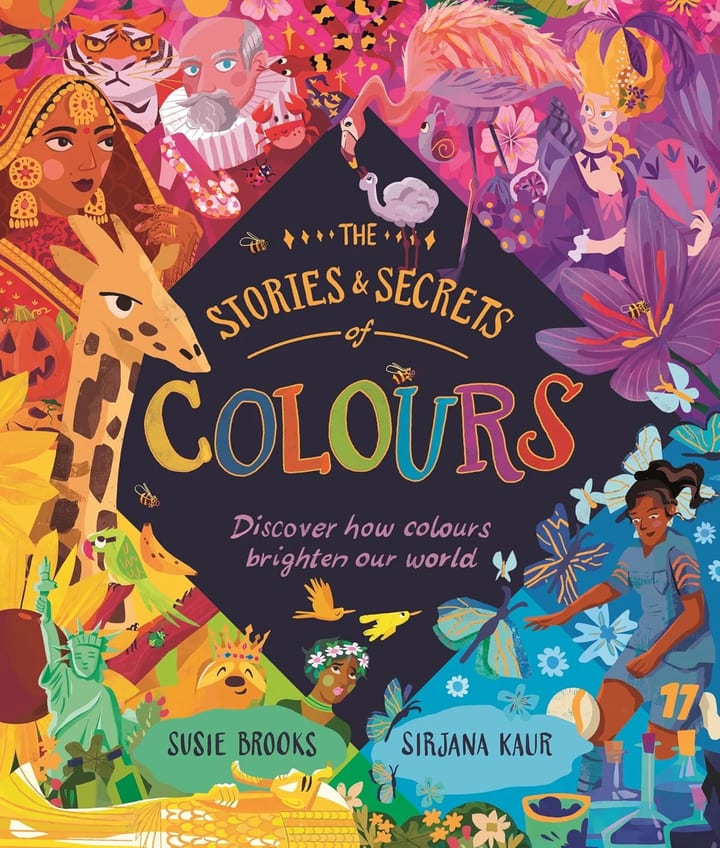
Susie Brooks and Sirjana Kaur explore how colours appear in nature, history and culture, from saffron and flamingos to indigo and ochre.
Look more closely at colour vision, the retina and the science of light through articles, an experiment and a quiz.
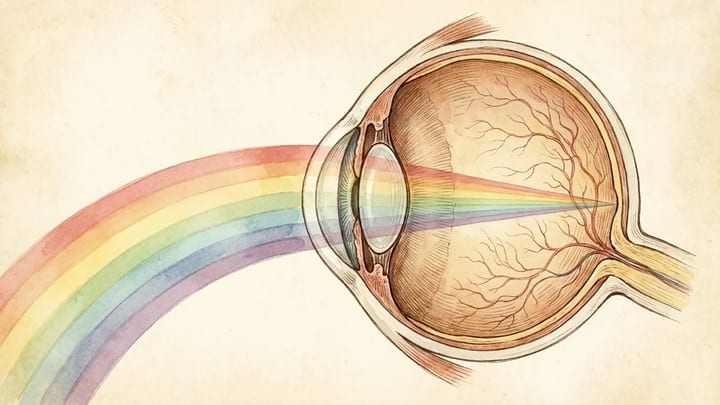
A clear explanation of how light, rods, cones and the brain create our experience of colour, with a thoughtful introduction to colour-vision differences.
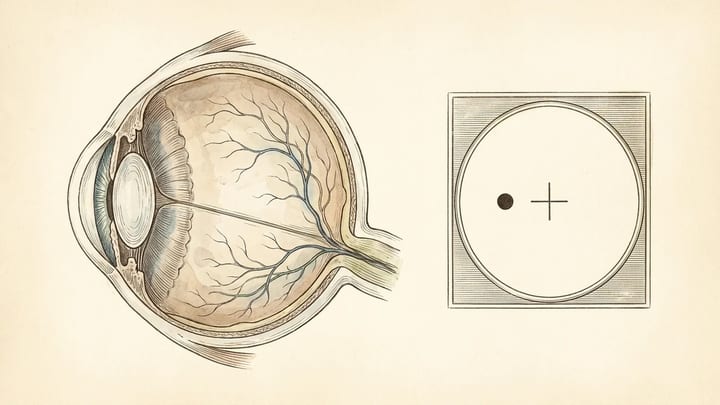
Read about rods and cones, then try a simple blind-spot activity from Neuroscience for Kids. Best explored with an older child or adult.
An interactive quiz for older children who would enjoy reviewing light, colour and waves together.
Follow colour beyond the rainbow into animal vision, colour-vision differences and questions with no quick answer.
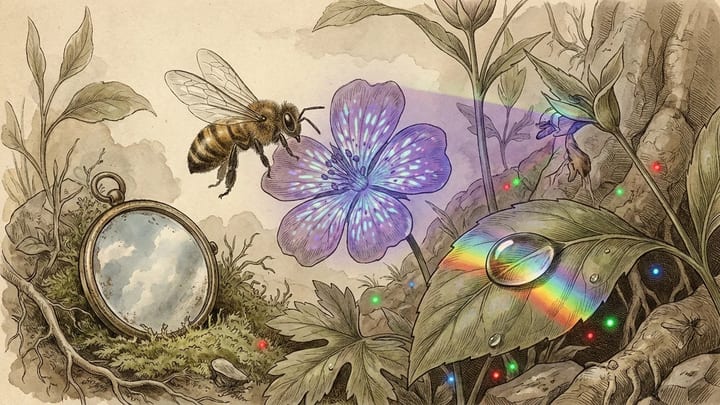
Investigate what colours bees can see, why rainbows keep their order, what colour a mirror is or why screens use red, green and blue light.
Explore why some people see colours differently and how colour-vision differences can change the way the world appears.
Meet an animal with twelve colour receptors and discover why more receptors do not simply mean seeing more colours.
Subscribe for more wonder-filled resources, lesson ideas and gentle prompts to help your family explore science, art, nature and big questions together.
No spam. Unsubscribe anytime.