



How Do Hot Air Balloons Work?
A clear visual introduction to how warmer, less-dense air allows a balloon to rise through cooler air.
Follow hot air into the sky and discover how warmth, movement and one remarkable invention helped humans learn to fly.
A hot-air balloon turns an invisible scientific idea into something enormous enough to carry people. These resources explore why warm air rises, how pilots travel with the wind and how the first balloon flights changed history.
Choose the resources that spark the most wonder, then follow the wind.

See balloon science, an early flight and a sky filled with colour.
A clear visual introduction to how warmer, less-dense air allows a balloon to rise through cooler air.
Travel back to 1783 and meet the people, ideas and surprising animal passengers behind an extraordinary first flight.
Watch dozens of balloons take to the sky and notice the shapes, colours and preparations involved.

Continue the journey with a story inspired by balloon building and flight.
A wonderful read-aloud about the Montgolfier brothers and how curiosity, observation and experimentation led to one of the first human flights.

Test the science through observation, prediction and play.
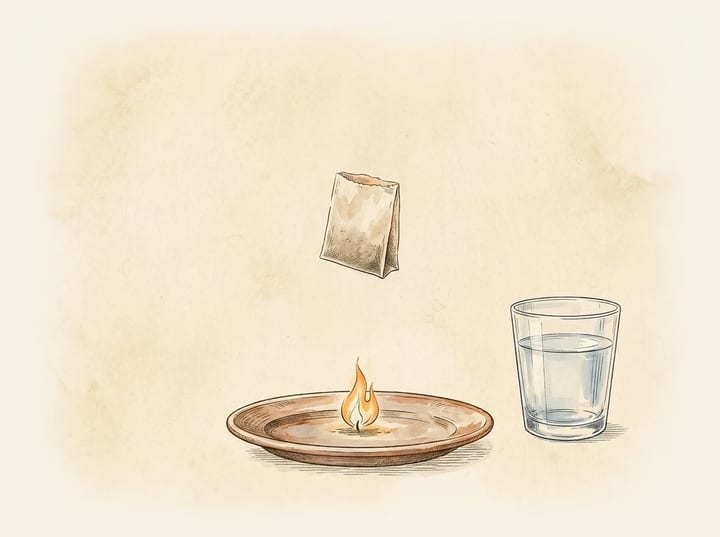
With close adult supervision, stand an empty paper teabag tube on a heatproof plate and ask an adult to light its top edge. Observe how heated air can lift the very light paper briefly.

An online quiz to review what children have learned about hot air balloon basics and flight.

Follow two questions into the winds and stories surrounding balloon flight.
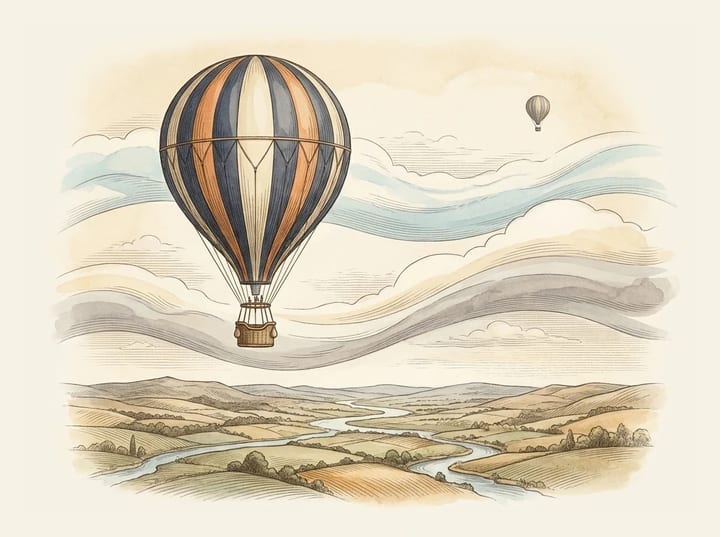
Balloon pilots cannot steer left or right like aeroplane pilots. Investigate how changing altitude helps them find winds moving in different directions.
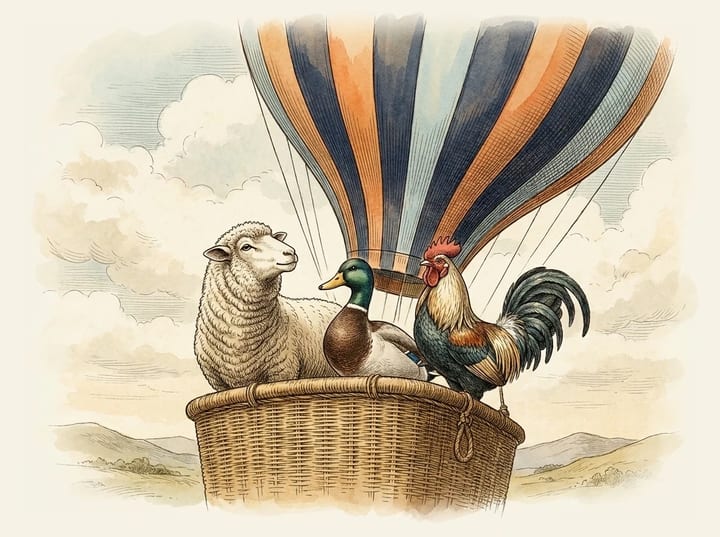
If you had lived in 1783, what would you have needed to understand before you felt brave enough to fly?
Subscribe for more wonder-filled resources, lesson ideas and gentle prompts to help your family explore science, invention, history and the wider world together.
No spam. Unsubscribe anytime.