Sign in to see the lessons you've bought.
You're in! Welcome to the Wonder Family 🦋
Loading lessons…
You haven't bought any lessons yet — visit the Wonder Library to get started.
Loading lesson…
Watch real animal partnerships and explore the different ways species can help one another survive.
A short science video about interspecies animal friendships, helping children think about cooperation and unusual relationships in the animal kingdom.
A gentle book-style video exploring different kinds of animal friendships and partnerships.
Enjoy stories that make friendship, cooperation and animal partnerships easy to imagine.
A warm, beautifully illustrated book by Sophy Henn that introduces animal friendships and the different ways creatures can help one another.
A gentle story about a shark and a remora friend, opening up conversations about companionship and ocean partnerships.
Try a simple matching activity to discover which animals form remarkable partnerships.
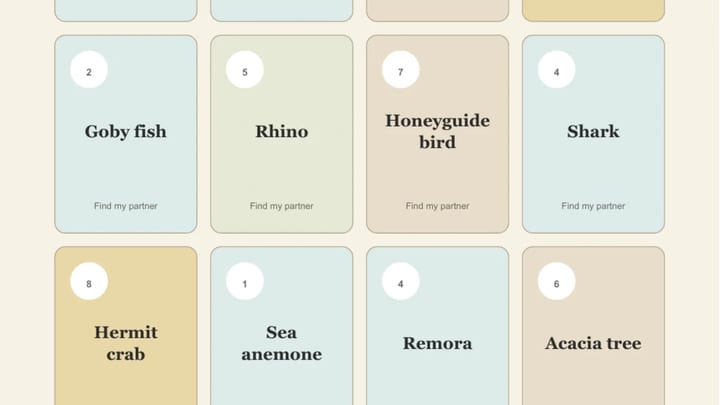
Cut out and mix up the cards, then match each animal with its partner. An answer key and questions to wonder about are included.
Follow your curiosity into more surprising partnerships from oceans, forests and grasslands.
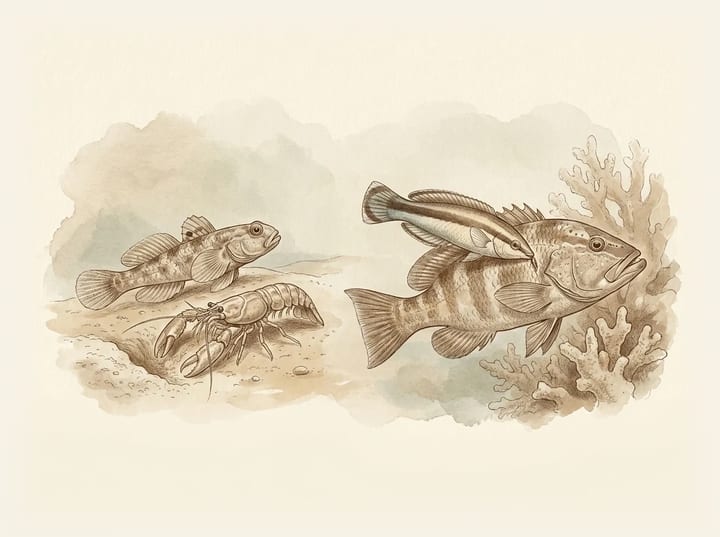
Explore cleaner wrasse and reef fish, goby fish and pistol shrimp, ants and acacia trees, and honeyguide birds and humans.
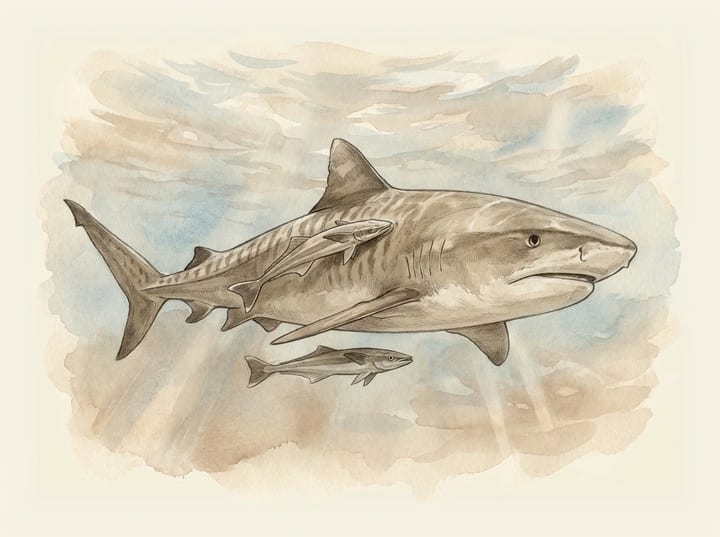
Do you think friendship in nature always means both partners benefit equally, or can helping look different for each one?
Watch simple videos about nature study, printing and beginning a nature journal.
Use this slot for a child-friendly video about Anna Comstock’s life, her nature study work and why she encouraged children to learn by observing nature directly.
Learn about why Anna Comstock is a cool scientist.
A practical introduction to monoprinting that helps children explore shape, texture and pattern through a one-of-a-kind print.
Enjoy a gentle story about Anna Comstock and her love of learning from nature.
A beautiful picture book about Anna Botsford Comstock, who helped children learn by stepping outside, observing carefully and discovering the wonder of the natural world for themselves.
Use a quick quiz and a close-observation challenge to keep the learning going.
A fun Kahoot helping children remember what they discovered about Anna Comstock.

Choose one small natural object, study it for five quiet minutes and record three details you had not noticed before.
Follow your curiosity and start noticing the tiny world around you.
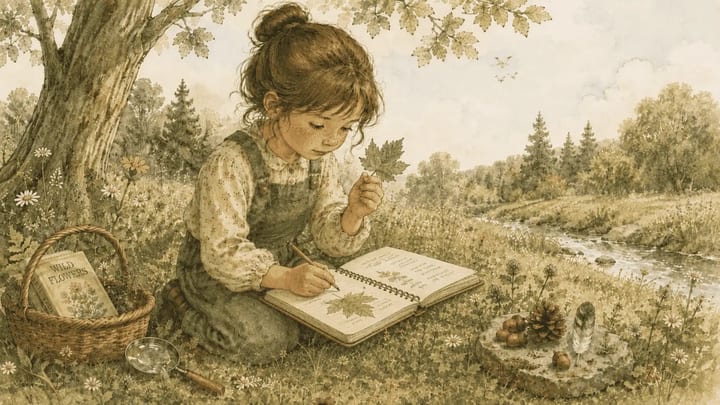
Choose one tiny thing outdoors, such as a leaf, feather, flower, insect or stone, and draw it carefully. What do you notice when you slow down?
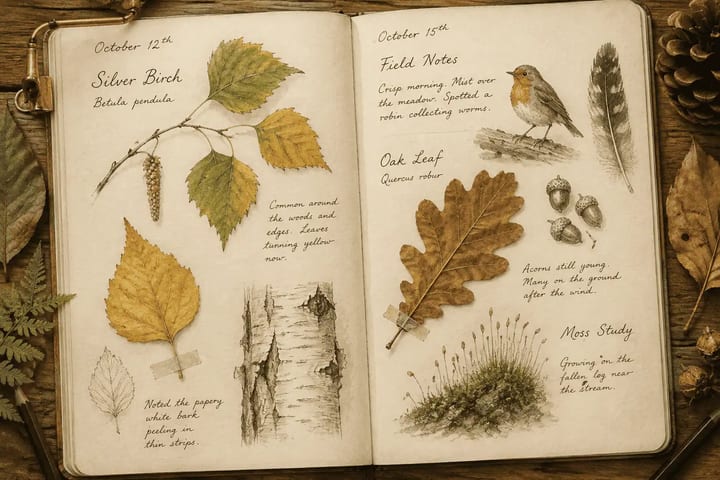
Keep a nature journal for one week. Learn the name of one bird, one tree and one wildflower near your home, then record what changes each day.
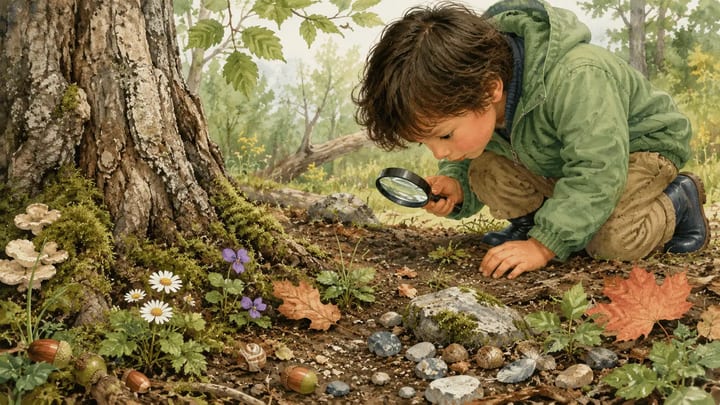
Get down low and look carefully beneath your feet. Explore the grass, soil, leaves, bark and stones to see what hidden details nature reveals.
Watch glowing ocean animals and deep-sea creatures use living light.
A child-friendly look at animals that produce light and the different reasons they glow.
Meet ocean creatures that make their own light and discover why bioluminescence is useful underwater.
See real deep-sea animals and learn how and why they create light in the darkness.
Enjoy books that introduce glowing creatures and light in nature.
A beautiful story that introduces children to the concept of bioluminescence and the wonder of creatures that can make their own light.
A flip through review of Glow: The Wonders of Bioluminescence
Try a safe glow-inspired activity and test what your family remembers.
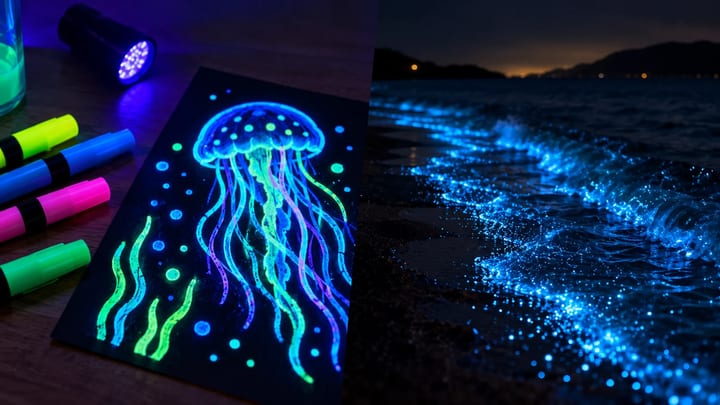
Use non-toxic glow paint or highlighter ink to make glowing artwork, then compare the effect with true bioluminescence. Use only child-safe materials with adult supervision; never open or ingest highlighters.
A family quiz about glowing creatures, deep-sea survival and living light.
Discover why water mixed with highlighter dye or tonic water glows under ultraviolet light, while ordinary tap water stays dark.
Follow the glow into oceans, forests and future inventions.
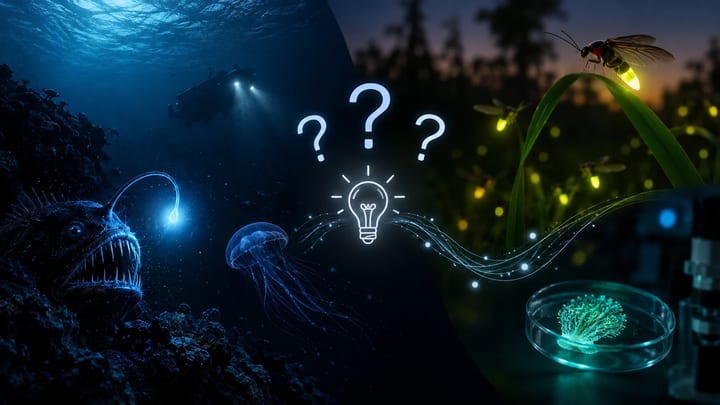
Why is the deep ocean dark? How do fireflies use light to communicate? Could glowing organisms inspire safer lighting or new scientific tools?
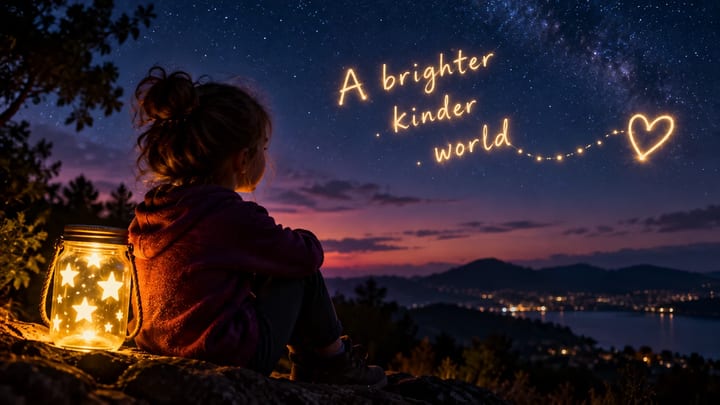
If you could make your own light, when would you use it and what message would your glow send?
Meet Esperanto and discover how a planned language grew from one person’s hopeful idea.
A short introduction to Esperanto, its creator L. L. Zamenhof and the idea of an international language.
Hear how Esperanto sounds and explore its origins, spelling, simple grammar and a few useful expressions.
Listen to a simple children’s story in Esperanto and notice which sounds or words feel familiar.
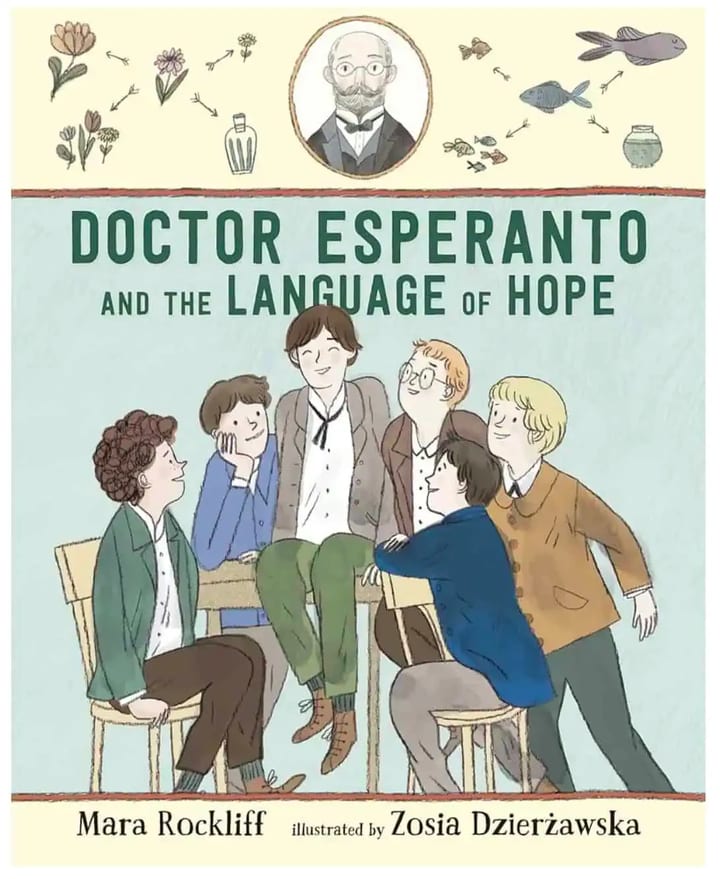
Mara Rockliff’s illustrated picture-book biography follows L. L. Zamenhof from his multilingual childhood to the creation of Esperanto and his hope that a shared language could bring people closer together.
A short animated story with subtitles that offers a gentle first experience of hearing Esperanto in context.
Try the language for yourself through a quiz and a few simple phrases.
Review Zamenhof’s story, Esperanto and the lesson’s central ideas with a short family quiz.

Practise saluton (hello), dankon (thank you), jes (yes), ne (no), amiko (friend) and bonan matenon (good morning). Which phrase would you like to use first?
Follow language into creativity, connection and questions about what helps people understand one another.
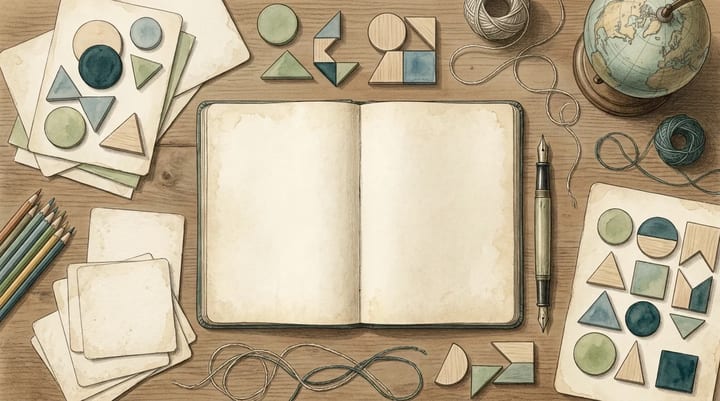
Create new words for hello, friend, please, thank you and goodbye. Decide how they sound, how they are written and which patterns might help somebody else learn them.
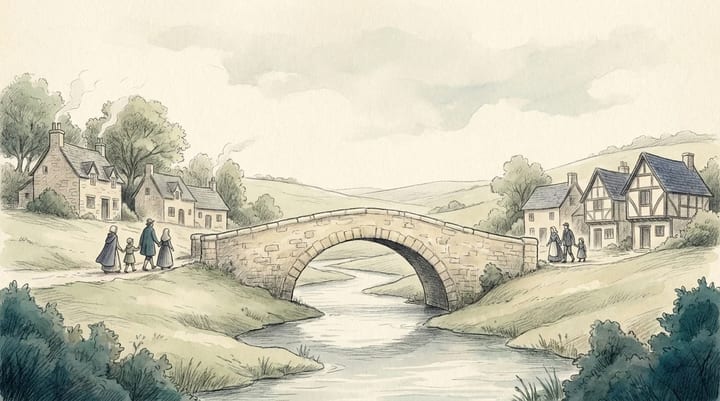
Can a shared language build understanding on its own, or do people also need patience, kindness and a willingness to listen?
Discover what fungi are, how they feed and why mushrooms are only part of the story.
A child-friendly introduction to fungi, how they get food and why children should never eat wild mushrooms.
A simple overview of the fungi kingdom and how fungi differ from plants and animals.
A clear explanation of fungi and their important role in the natural world.
Meet the fungi kingdom through a lively illustrated story.
Christine Nishiyama’s child-friendly book introduces mushrooms, yeast, mould and the surprising places fungi live.
Use these extras to explore spores, giant fungi and hands-on activities.
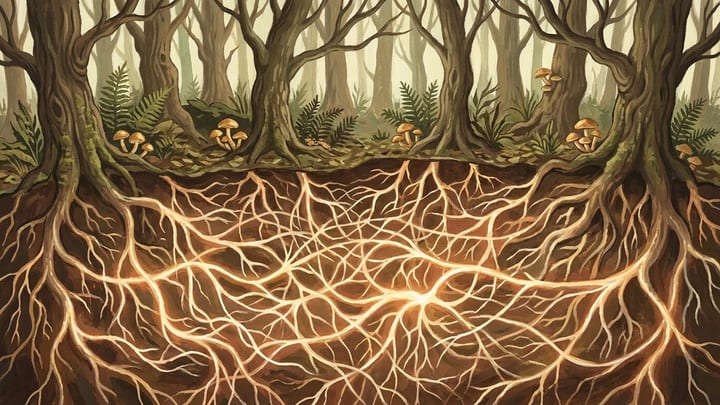
An article about one of the largest living organisms on Earth, useful for curious older children and adults.
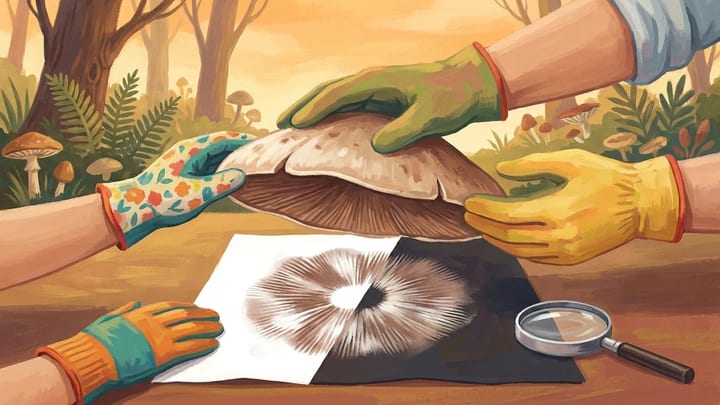
A supervised activity for observing the patterns made when a mushroom releases its spores. Wash hands afterwards and do not eat the mushroom.
An interactive family quiz about fungi, mushrooms, spores and forest science.
Follow fungi into fairy rings, medicines, materials and underground networks.

Explore mushroom-based fabrics, fairy rings and penicillin, then look for more examples of fungi changing the world.
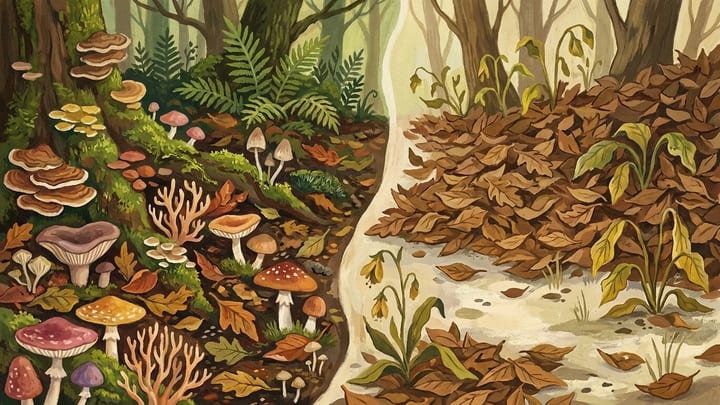
If fungi disappeared, what changes might we notice first in a forest?
See balloon science, an early flight and a sky filled with colour.
A clear visual introduction to how warmer, less-dense air allows a balloon to rise through cooler air.
Travel back to 1783 and meet the people, ideas and surprising animal passengers behind an extraordinary first flight.
Watch dozens of balloons take to the sky and notice the shapes, colours and preparations involved.
Continue the journey with a story inspired by balloon building and flight.
A wonderful read-aloud about the Montgolfier brothers and how curiosity, observation and experimentation led to one of the first human flights.
Test the science through observation, prediction and play.
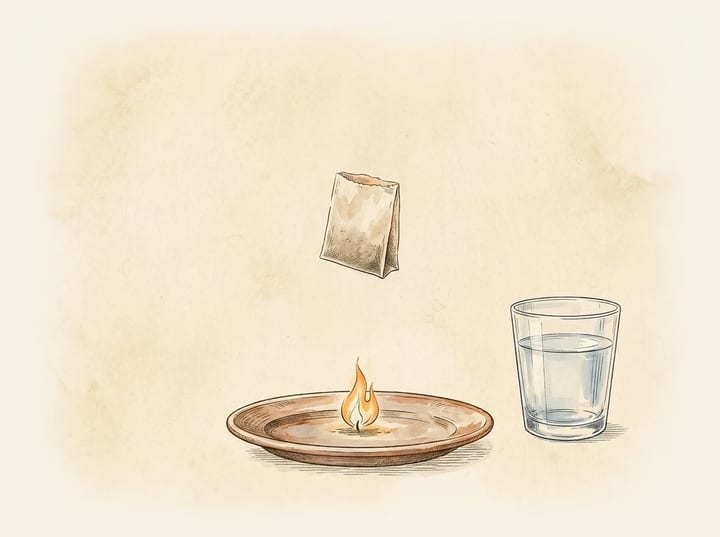
With close adult supervision, stand an empty paper teabag tube on a heatproof plate and ask an adult to light its top edge. Observe how heated air can lift the very light paper briefly.

An online quiz to review what children have learned about hot air balloon basics and flight.
Follow two questions into the winds and stories surrounding balloon flight.
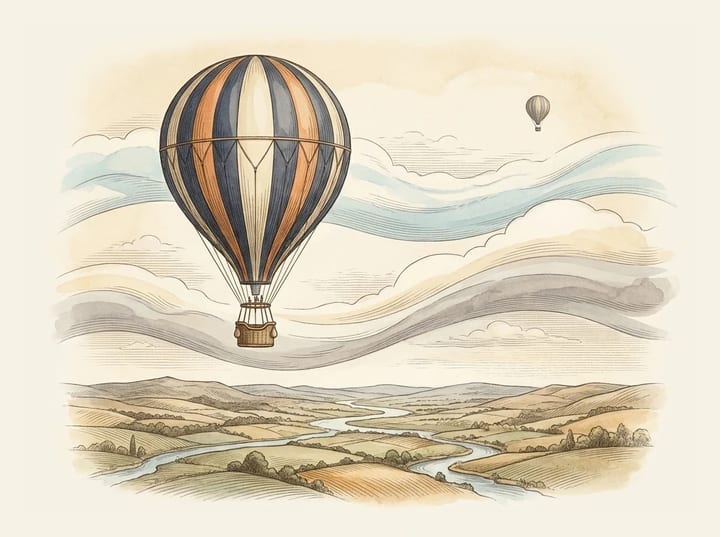
Balloon pilots cannot steer left or right like aeroplane pilots. Investigate how changing altitude helps them find winds moving in different directions.
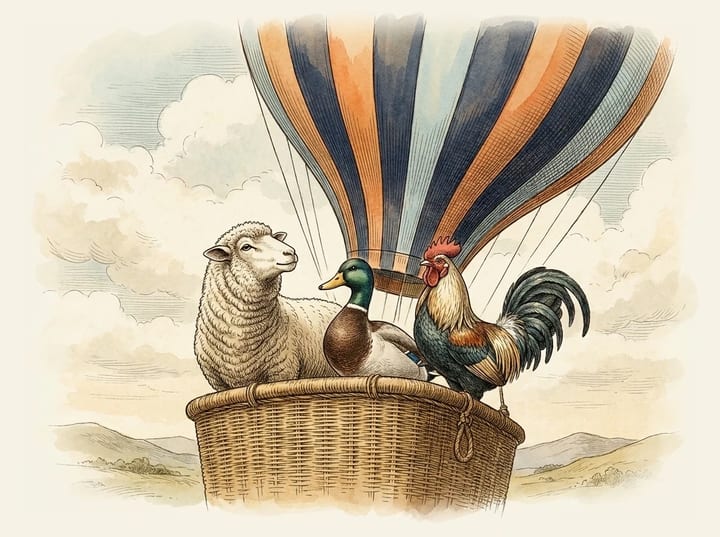
If you had lived in 1783, what would you have needed to understand before you felt brave enough to fly?
Watch videos about Jadav Payeng, trees and forest life.
A short introduction to Jadav Payeng and the extraordinary forest he helped create.
A child-friendly overview of forest habitats and why they matter to life on Earth.
Meet Jadav Payeng through a picture-book story based on his life.
A picture-book telling of how one person’s patient planting helped a forest grow on Majuli Island.
Plant, observe and test what you remember.
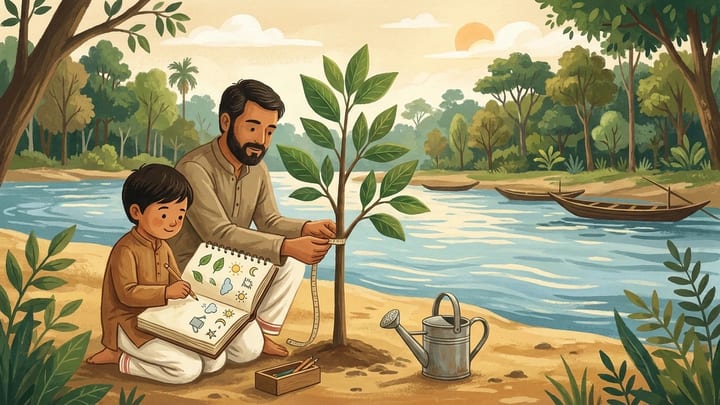
Plant a suitable local seed or care for an existing tree, then record small changes over time. Ask an adult to help choose a species and place that will not harm the local environment.
A family quiz about Jadav Payeng, forests and caring for the Earth.
Follow your curiosity into habitats, conservation and patient change.
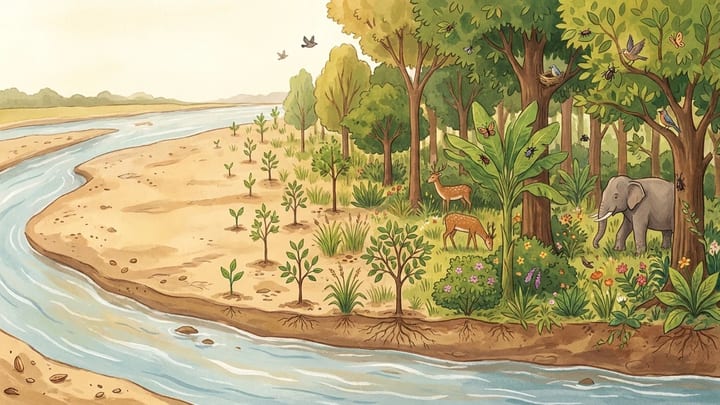
Draw the same place before planting, after one year and after fifty years. Which plants, insects, birds and larger animals might arrive at each stage?
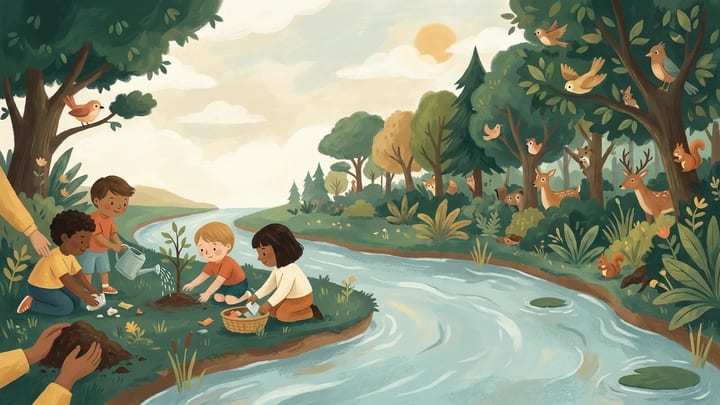
What could happen if each person cared for one small piece of the world for a very long time?
Meet Kandinsky, explore abstract art and discover how senses can sometimes overlap.
A child-friendly introduction to Kandinsky, abstraction, colour and music.
Explore synesthesia and how some people experience one sense through another.
Create an original abstract picture using rhythmic lines, geometric shapes and colour.
Enjoy books that introduce Kandinsky, colour, imagination and expressive art.
A beautiful introduction to Kandinsky’s childhood, imagination and the way he connected colour with music.
A playful book that helps children think about colour, expression and whether art always has to look realistic.
Turn music and feelings into lines, shapes and colour.
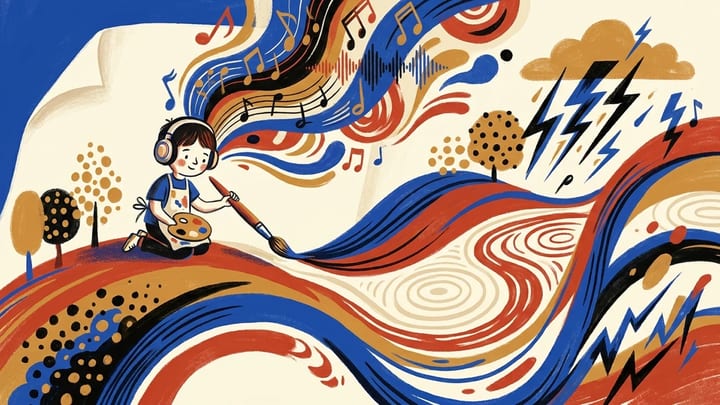
Play instrumental music and draw marks that respond to its speed, volume and mood. Avoid planning a recognisable picture; let the music guide each mark.
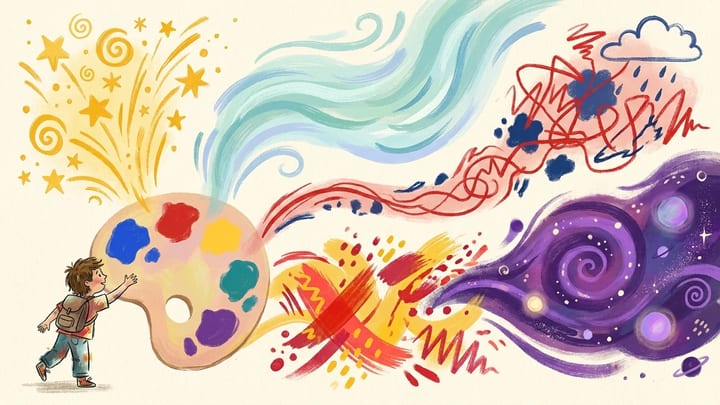
Choose colours for joy, calm, worry, excitement and wonder. There are no wrong answers: explain why each colour feels right to you.
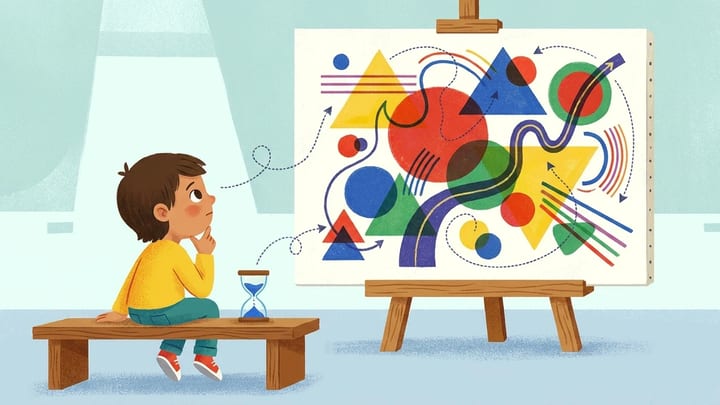
Look at one Kandinsky artwork for a full minute. Which shapes do you notice first, and where does your eye travel next?
Follow your curiosity into sound, colour and abstract art.
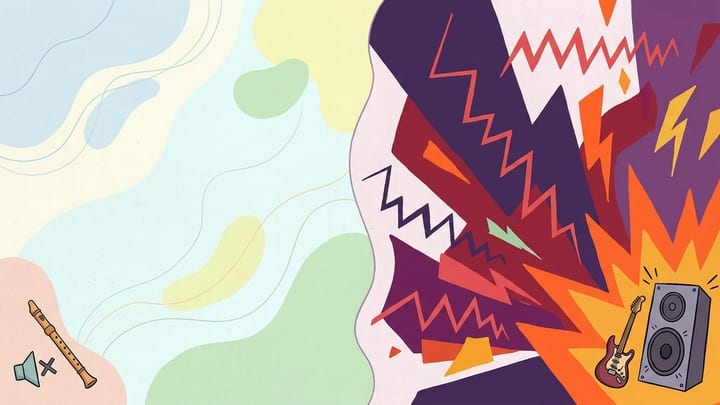
Create two pictures for the same song: one for its quietest moment and one for its loudest. What changed?
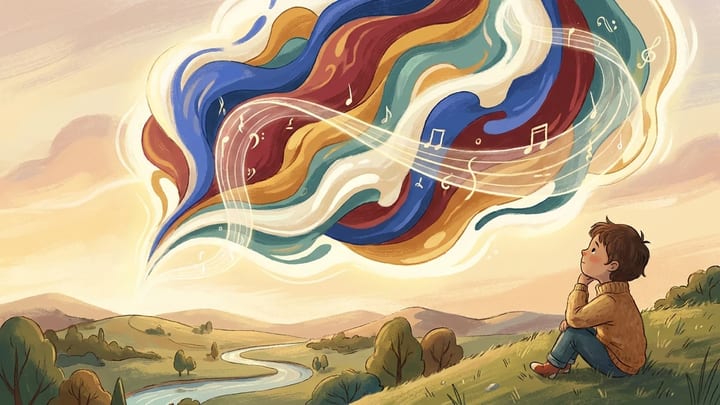
If a feeling had a shape, colour and sound, what would yours look like today?
Meet Leonardo and explore the many directions his curiosity travelled.
An animated visit to Leonardo’s studio and his remarkable flying-machine ideas.
A concise child-friendly biography covering Leonardo’s art, inventions and scientific interests.
Discover why Leonardo is remembered as an artist, scientist, inventor and engineer.
Enjoy books that introduce Leonardo’s life, art, inventions and curiosity.
A beautiful story to introduce Leonardo’s fascination with flight and invention.
Try activities that connect Leonardo’s art, science and observation.
A useful activity resource for exploring Leonardo’s art and scientific thinking.
Measure a child’s height and arm span to explore Leonardo’s ideas about human proportion.
Challenge your family with an online quiz about Leonardo da Vinci.
Follow curiosity into inventions, portraits, flight and notebooks.
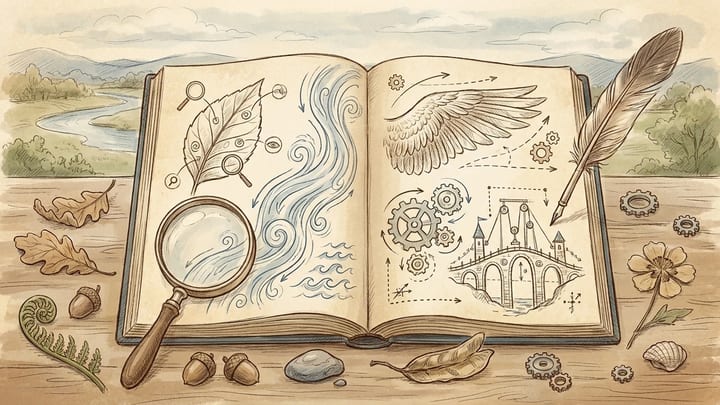
Fill a page with questions, mirror writing, close observations and a labelled invention of your own.
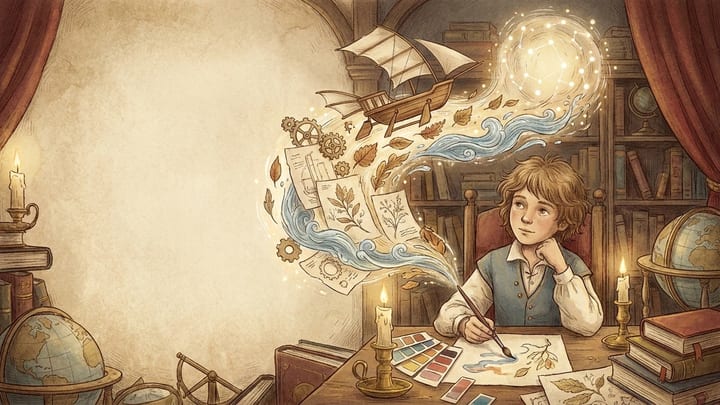
Is curiosity more powerful when art and science work together?
Short videos that explain eclipses and show them in action.
Looking for fun facts for kids about solar eclipses? This video explains what a solar eclipse is and shares interesting facts to help kids understand this celestial event.
Have you ever seen an eclipse before? Eclipses happen when one celestial body moves into the shadow of another. And there are two types of eclipses that can be observed from Earth: solar eclipses and lunar eclipses.
More books to help learn

Encourages young readers to safely learn about solar eclipses

Explore the science and mystique of lunar and solar eclipses

Uncover the science behind these beautiful natural events.
Listen and enjoy these read alongs.
Read along to A Few Beautiful Minutes With Meredith
Get curious, dig in, and start exploring together.
Materials you will need: a cardboard box, white paper, aluminium foil, scissors, Sellotape, a push pin, a pencil
Meet Maud Lewis and explore her colourful painted world.
A short National Film Board documentary about Maud’s life, home and art. Watch together because it discusses illness and hardship.
An accessible overview of Maud’s life and colourful folk paintings.
A guided project using simple shapes and joyful colour to make an original folk-art scene.
Enjoy books that help you learn more about Maud Lewis.
Discover the story of Maud Lewis as told by Kathy Stinson and how she became one of Canada’s most beloved folk artists despite facing many challenges throughout her life.
Look closely at Maud’s life, house and artwork, then test what you remember.
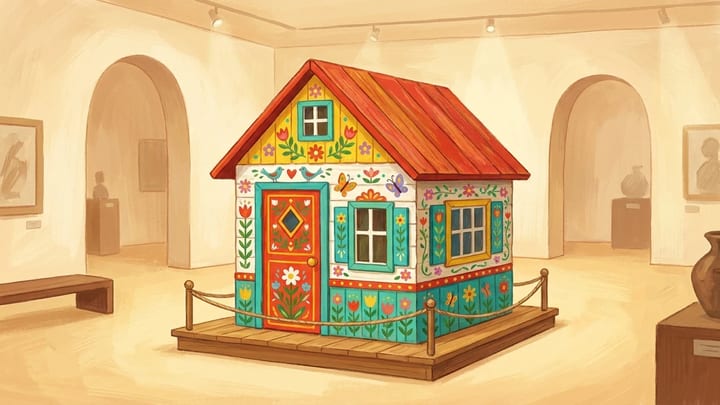
Learn how Maud turned the surfaces around her into art and why her tiny house is now preserved in a museum.
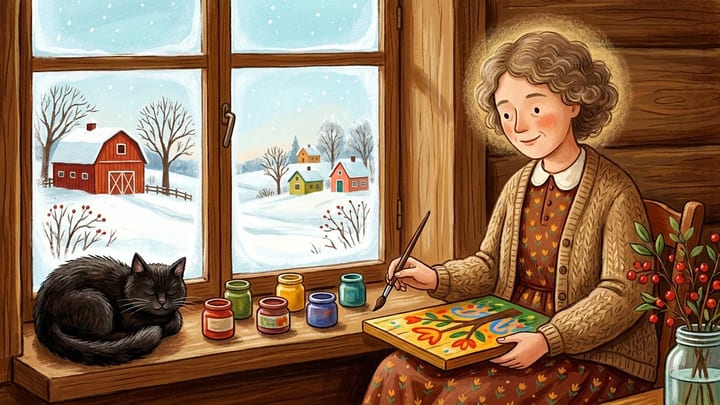
A concise Canadian government biography introducing Maud’s life and legacy.
A family quiz about Maud Lewis, her art and the story A Tulip in Winter.
Follow your curiosity into folk art, everyday beauty and creative courage.
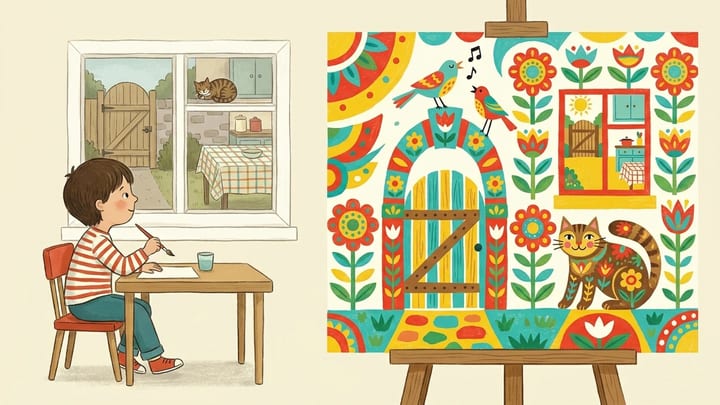
Choose an ordinary place you know well and repaint it with brighter colours, repeated shapes and one playful surprise.
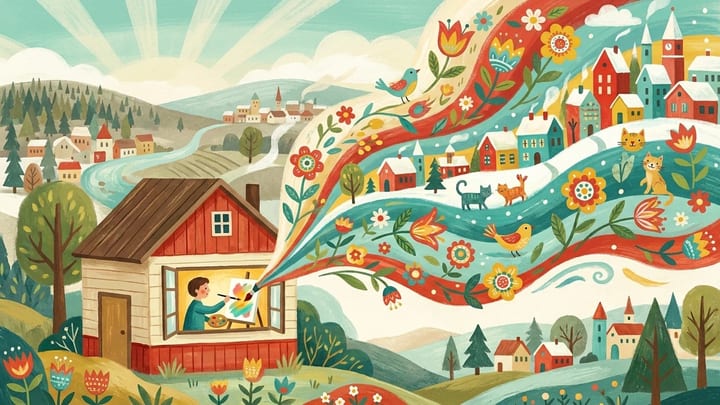
Can a small, ordinary life create something extraordinary?
Look closely at Cézanne’s apples, landscapes and artistic ideas.
Tate Kids explains how careful observation and a humble apple helped Cézanne challenge art rules.
A deeper look at how Cézanne slowly constructed paintings with form and colour; best for older children or shared viewing.
Visit the objects and spaces that inspired Cézanne’s still-life paintings.
Enjoy books that introduce Cézanne, still life painting and famous artists.
Follow along as we read Cézanne and the Apple Boy.
Use apples, shapes and patient observation to make art of your own.
An online game about the life of Cézanne and his place in art history.
A comprehension quiz connected to the Cézanne read-aloud by Laurence Anholt.
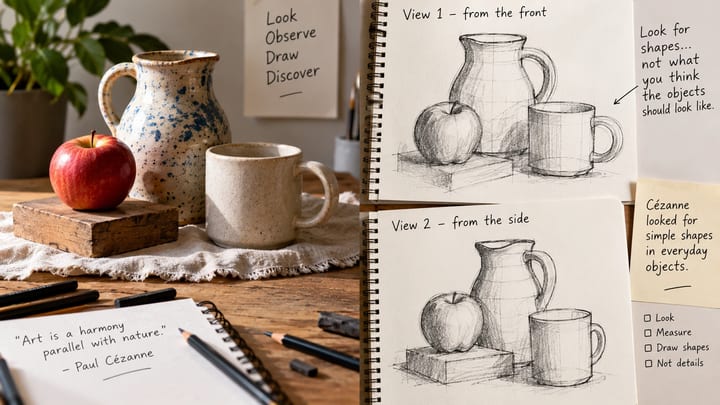
Arrange three ordinary objects, study them from two positions and draw the shapes you notice rather than what you think they should look like.
Follow your curiosity into perspective, modern art and the power of ordinary things.
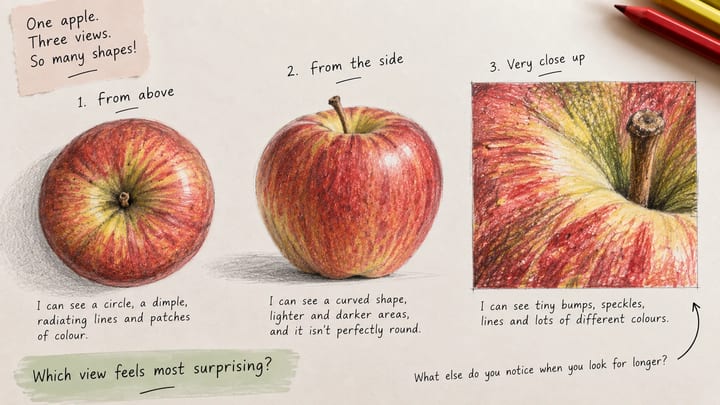
Draw one apple from above, from the side and very close up. Which view feels most surprising?
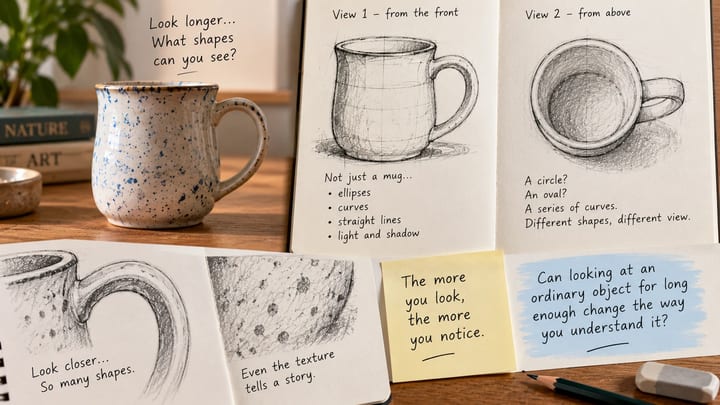
Can looking at an ordinary object for long enough change the way you understand it?
Discover what happens to food and what droppings reveal about animals.
Compare droppings from different animals and discover surprising clues about their diets.
Follow food through the digestive system and find out how the body turns leftovers into waste.
Enjoy funny books that introduce animal poo, zoo life and animal differences.
A silly and memorable story to introduce children to animal poo, zoo life and the animals who live there.
A funny classic that children love, with lots of opportunity to compare different animal droppings and talk about how animals are different.
Try playful investigations without touching real animal waste.
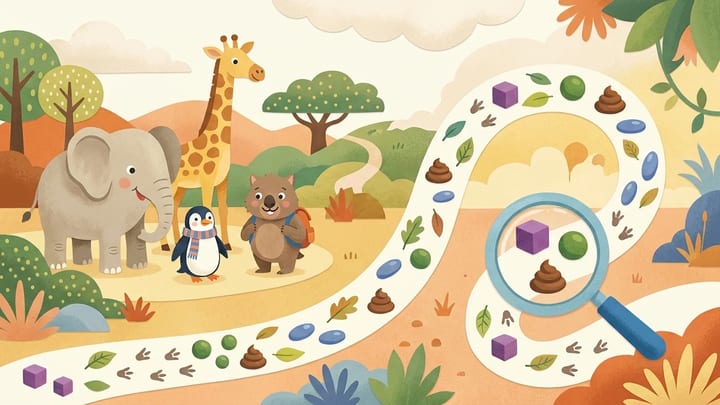
Match photographs or drawings of tracks and droppings to their animals using shape, size and diet clues. Never handle droppings; observe real examples only from a safe distance with an adult.
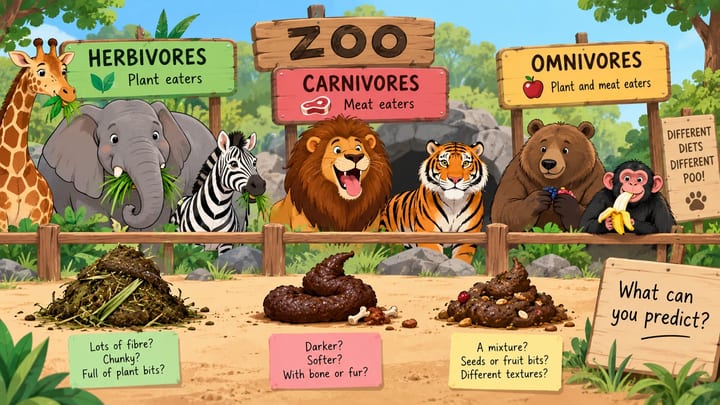
Sort animals into herbivores, carnivores and omnivores, then predict how their waste might differ.
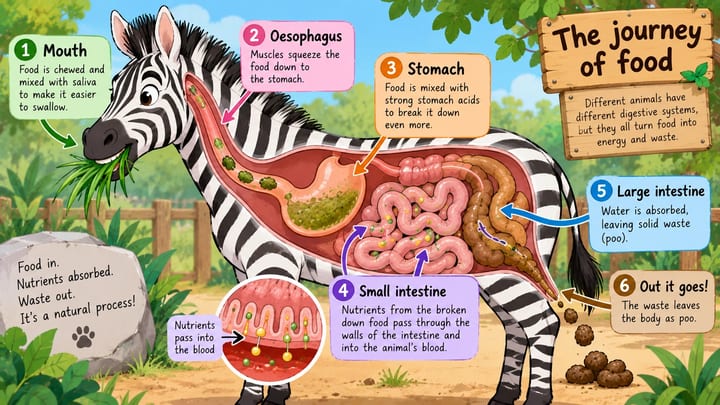
Draw food travelling through an animal’s body as nutrients are absorbed and waste is left behind.
Follow the science into ecosystems, recycling and animal communication.
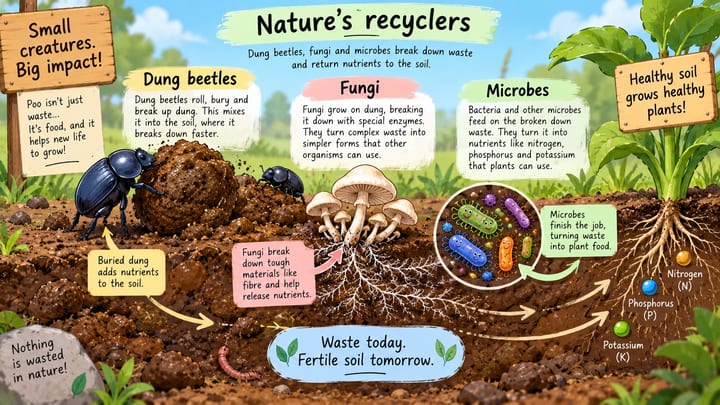
Investigate how dung beetles, fungi and microbes recycle waste and return nutrients to soil.
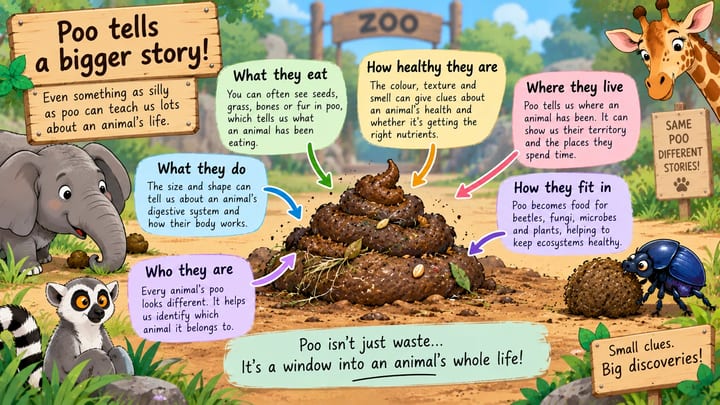
What can something as silly as poo teach us about an animal’s whole life?
Meet Eugenie Clark and discover why shark research matters.
The True Story of How Eugenie Clark Became the Ocean’s Most Fearless Scientist
A concise introduction to Clark’s life, research and work protecting sharks.
A fuller tribute from the marine laboratory Clark founded; best for older children or shared viewing.
Enjoy a story about Eugenie Clark and her love of sharks.
Hear the true story of the child who followed a love of sharks into a life of science.
Review the story, test shark knowledge and think like a marine biologist.
A quiz for reviewing shark facts and what children have discovered about these ocean animals.
A quiz based on the book Shark Lady by Jess Keating, helping children review Eugenie Clark’s story.
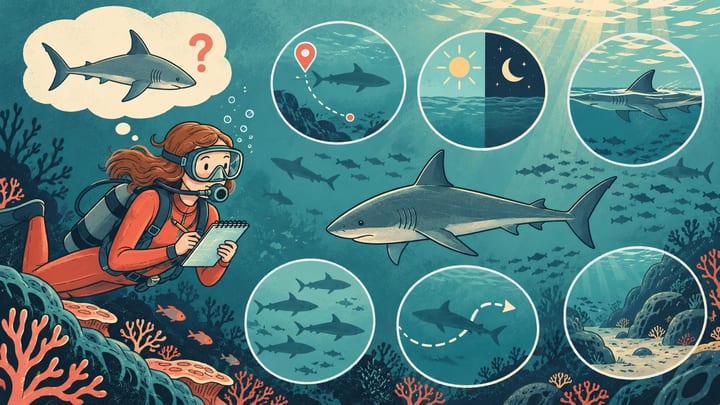
Choose one question about shark behaviour, then decide what a scientist would observe and record without disturbing the animal.
Follow curiosity into shark senses, movement and ocean conservation.
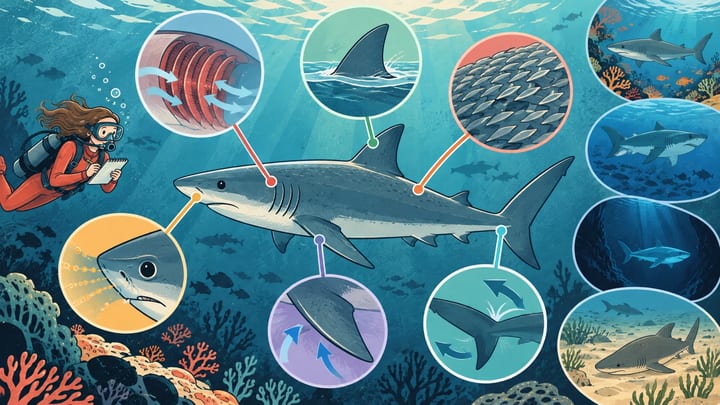
Investigate how gills, fins, skin and senses help sharks survive in different habitats.
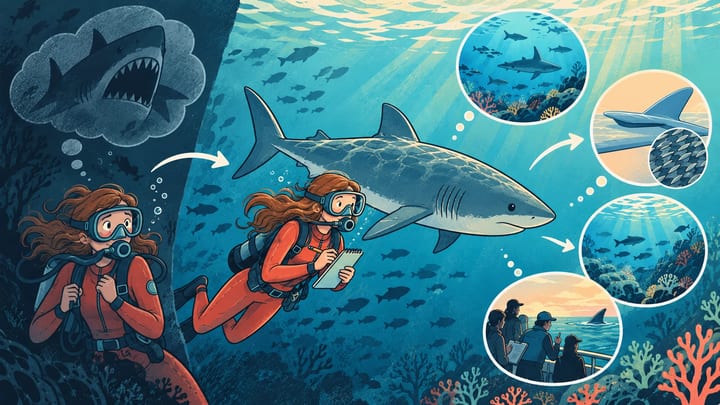
What becomes possible when we study an animal we once feared?
Listen, look and learn from resources about Arctic landscapes, language and knowledge.
Watch a joyful demonstration of katajjaq, a vocal game and musical tradition practised by Inuit women and girls in parts of the Canadian Arctic.
Explore the landscape and notice the snow, ice, light and wide-open spaces.
Discover how packed snow and trapped air can insulate a temporary snow shelter. Inuit families today live in many kinds of modern homes.
Enjoy stories that introduce Arctic life, landscapes and culture with care.
CAUTION: When I was Eight is a story about the first hand experience of a young Inuit girl who was taken to a residential school to become ‘Christian’. This opens up big questions and challenges what role some humans have in oppressing other cultures. It is an important part of learning about the world but needs to be presented in a gentler manner.
Use these extra resources to explore language, culture and learning games.
A short explanation of how the singular word Inuk differs from the plural word Inuit.
A helpful starting point for talking carefully about Indigenous peoples, identity and culture.
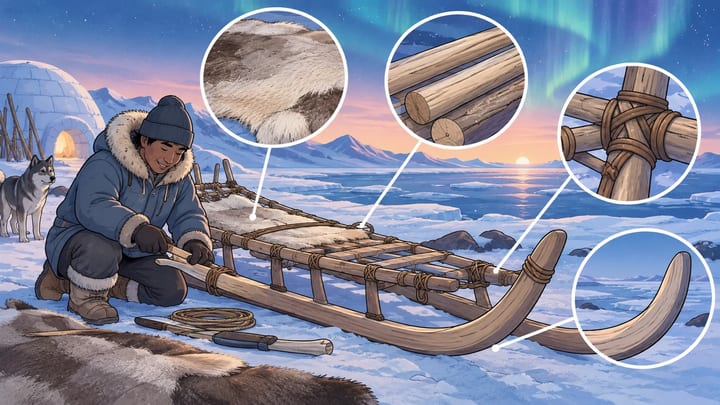
Choose an Arctic tool or design and explain how its materials and shape respond to local conditions.
Follow curiosity into daylight, sea ice, language and changing Arctic communities.
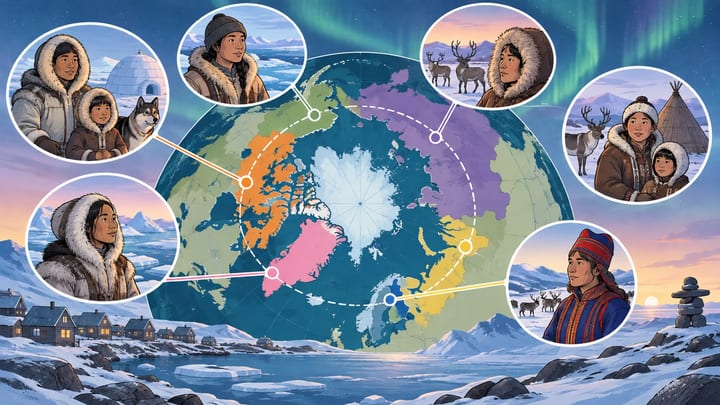
Find the Arctic Circle on a map and investigate which peoples and languages are connected to different regions.
A family quiz to review what children have learned about Arctic peoples and respectful language.
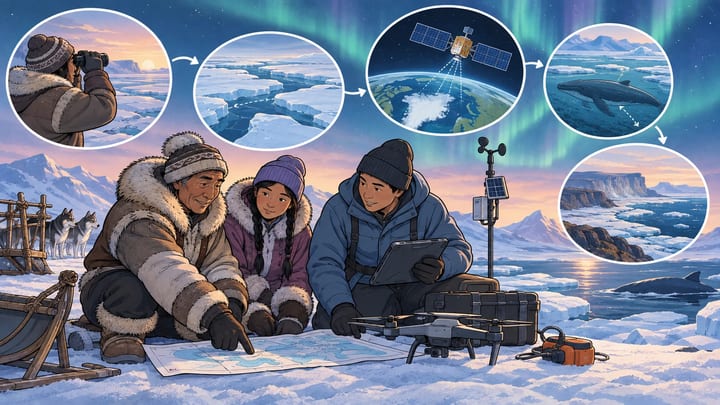
How can traditional knowledge and modern technology work together in a changing Arctic?
Investigate the surprising links between the brain, body, belief and scientific testing.
TED-Ed explores why placebos are used and how expectation can affect what people feel.
A clear introduction to how context, belief and brain signals may influence symptoms.
Enjoy a story that opens up questions about belief, science and discovery.
The story about Benjamin Franklin, mystery, science and the power of careful investigation.
Practise separating claims, expectations and evidence without testing medicines yourselves.
A Kahoot based on the read-aloud, helping children review the story and its scientific mystery.

Sort statements into predictions, observations and conclusions, then ask what evidence would make each claim stronger.
Follow curiosity into clinical trials, the nocebo effect, pain and perception.
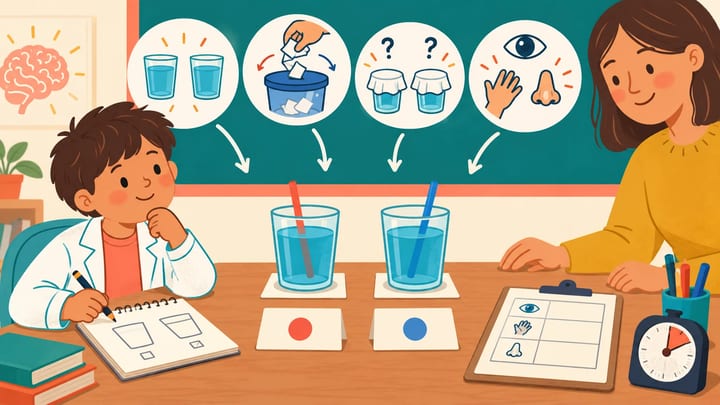
Design a pretend study using two identical cups of coloured water and decide how to keep the test fair—without swallowing or testing any medicine.
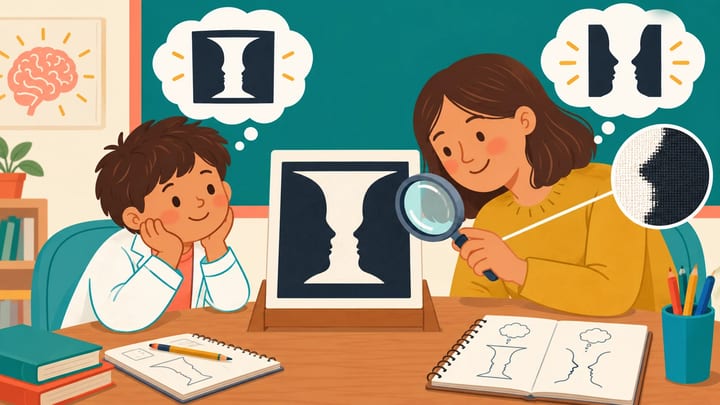
Explore a safe illusion and compare what you first expected to see with what closer observation reveals.
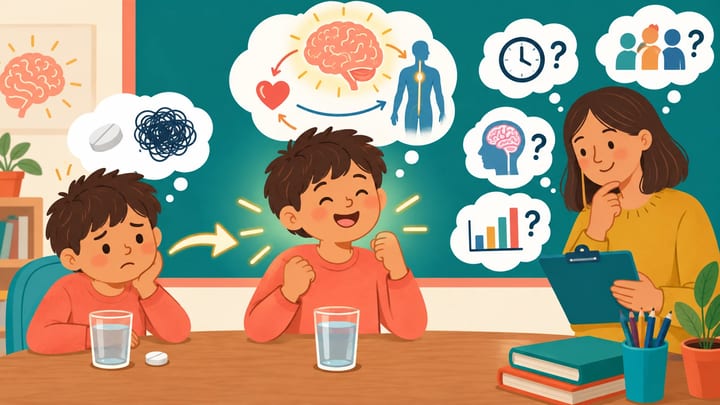
If someone feels better after a placebo, what has changed—and what would scientists still need to know?
Watch light split, mix and travel, then discover how our eyes turn it into colour.
See red, green and blue light overlap in a simple demonstration, revealing how coloured light can combine to appear white.
Discover how rods, cones and the brain work together—and why people and animals do not all see colour in quite the same way.
Explore wavelengths, prisms, rainbows and reflected light in a clear introduction to the science behind the colours we see.
Enjoy colourful books that invite children to notice colour in stories and nature.
Let's read this colourful lift-the-flap book by Julia Donaldson and Sharon King-Chai called Colours, Colours Everywhere.
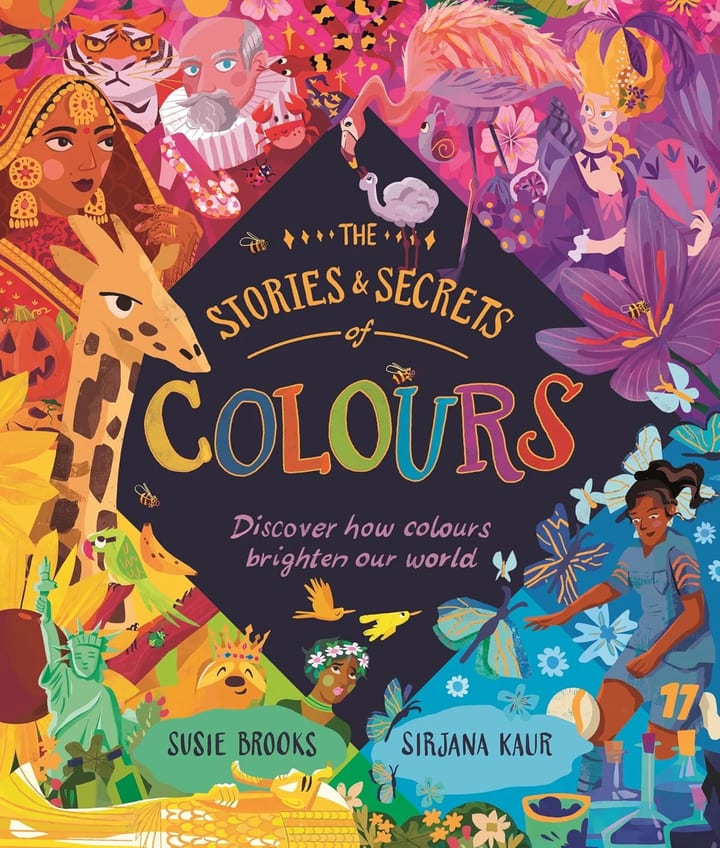
Susie Brooks and Sirjana Kaur explore how colours appear in nature, history and culture, from saffron and flamingos to indigo and ochre.
Look more closely at colour vision, the retina and the science of light through articles, an experiment and a quiz.
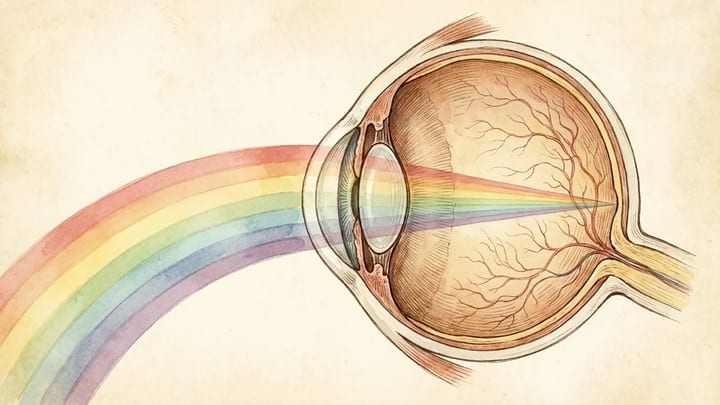
A clear explanation of how light, rods, cones and the brain create our experience of colour, with a thoughtful introduction to colour-vision differences.
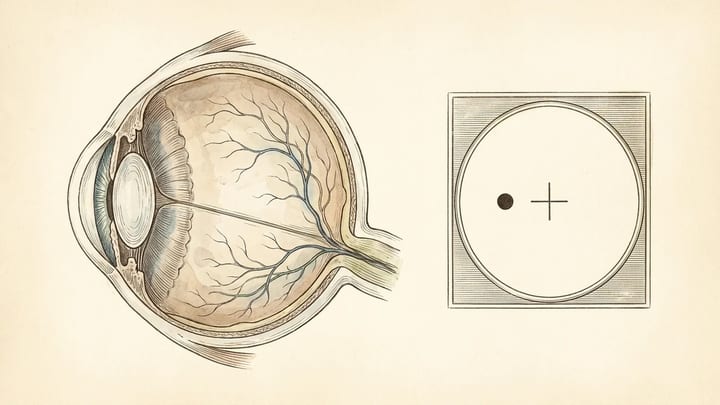
Read about rods and cones, then try a simple blind-spot activity from Neuroscience for Kids. Best explored with an older child or adult.
An interactive quiz for older children who would enjoy reviewing light, colour and waves together.
Follow colour beyond the rainbow into animal vision, colour-vision differences and questions with no quick answer.
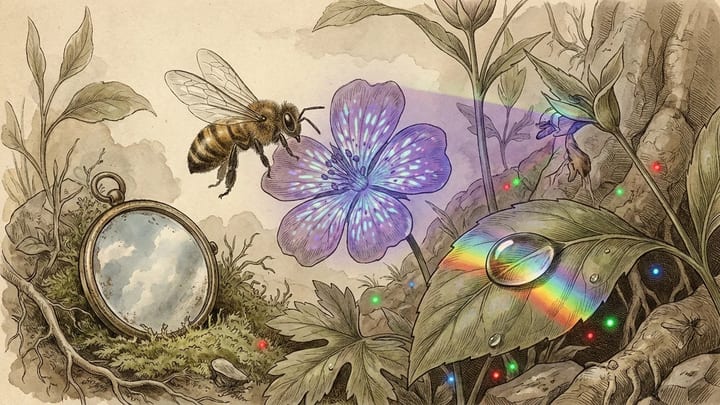
Investigate what colours bees can see, why rainbows keep their order, what colour a mirror is or why screens use red, green and blue light.
Explore why some people see colours differently and how colour-vision differences can change the way the world appears.
Meet an animal with twelve colour receptors and discover why more receptors do not simply mean seeing more colours.
Begin with numbers, then look out towards the extraordinary scale of the universe.
Follow a search for the biggest number and discover why infinity is not a number we can eventually reach.
Travel from stars and galaxies to the observable universe, then consider how much may lie beyond what we can see.
Share a thoughtful story that makes a vast mathematical idea feel personal and approachable.
Kate Hosford and Gabi Swiatkowska follow Uma as she asks friends and family how they imagine infinity—and finds an answer through love.
Explore endless counting and repeating natural patterns through an article and a simple noticing activity.
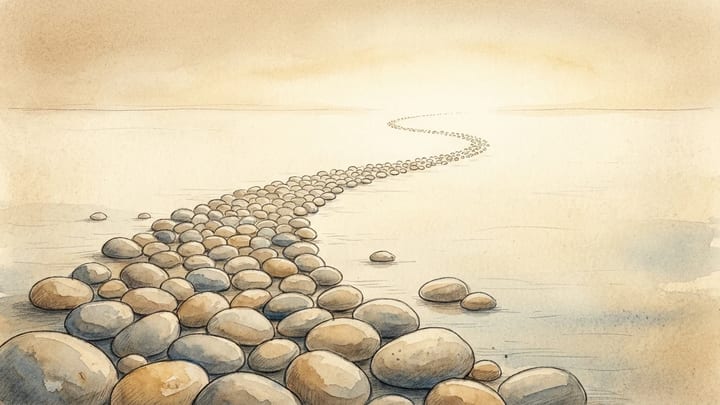
Discover why infinity is not a very large number, why counting never reaches a final number and how different infinities can appear.
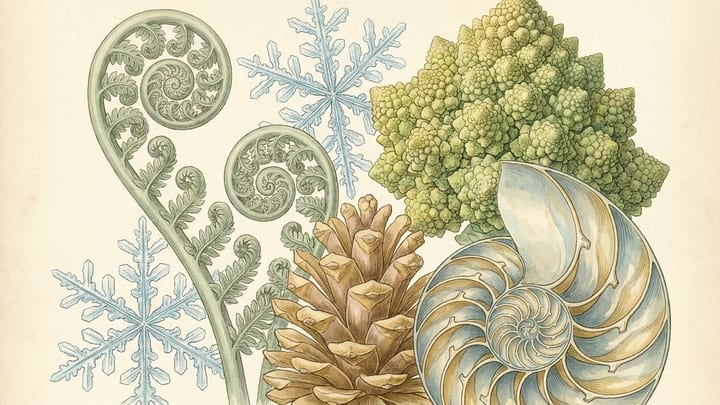
Look closely at a fern, pine cone, snowflake or romanesco broccoli and notice how similar shapes repeat at smaller and smaller scales.
Move beyond mathematics and wonder whether everything meaningful can be counted or measured.
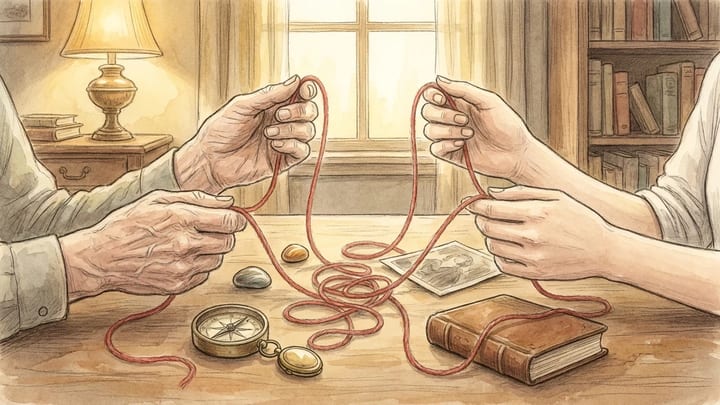
Infinity and Me compares love with infinity. Can love be counted, measured or used up—or do we need a different way to understand it?
Can something be endless even if we cannot count or measure it?
Travel from Italy’s geography and history to the canals of Venice and the famous tower at Pisa.
Find Italy on the map and meet its capital, ancient ruins, volcanoes, food, artists and inventions in a lively introduction.
Glide along the Grand Canal, pass the Rialto Bridge and discover why people in Venice travel on water instead of roads
Visit Pisa’s famous bell tower and discover how soft ground beneath its foundations caused the building to lean.
Share a story that follows the ingredients, people and legend behind one of Naples’ best-known foods.
Nancy Castaldo’s story follows a Neapolitan pizza maker preparing a special pizza for Queen Margherita using tomatoes, mozzarella and basil.
Explore the founding legend of Rome, then review Italy’s geography, history and culture with two quizzes.
Hear the ancient legend of Romulus and Remus. It includes abandonment, threats and a brother’s death, so preview it for younger or sensitive children.
A quiz for younger children to review what they have learned about Italy.
A deeper interactive quiz for older children exploring Italian geography, history and culture.
Follow Italy into questions about volcanoes, cities built on water, ancient roads, art and the stories carried by food.
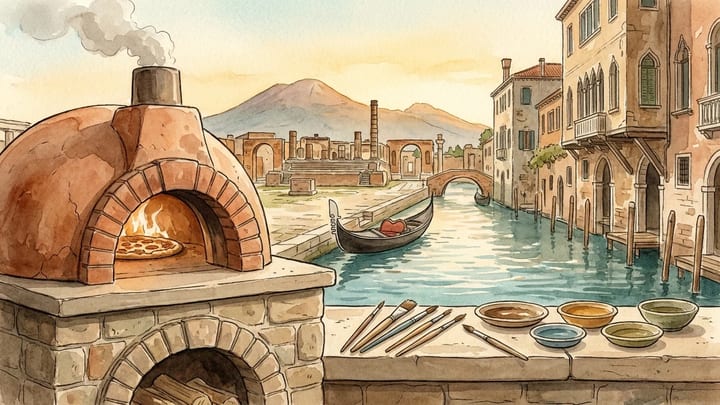
Investigate how pizza is made in Naples, what happened at Pompeii, how Venice stands on water or why so much Renaissance art began in Italian cities.
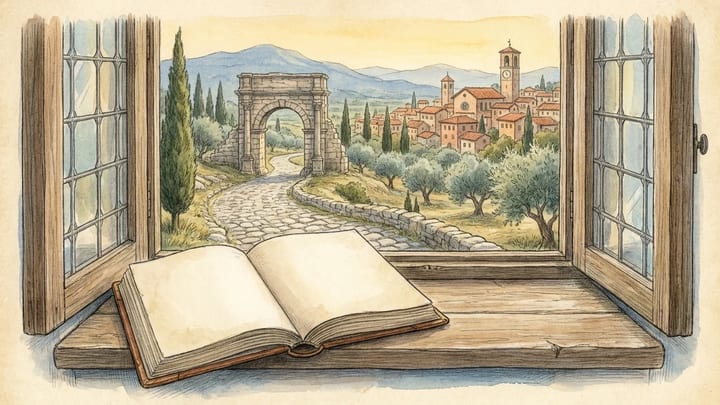
How can the landscape and history of a place shape the way people live there today?
Meet children in Mongolia, gather a few quick facts and look closely at the structure of a traditional ger.
Meet children in Mongolia and begin exploring everyday life, landscapes and culture through a child-centred introduction.
A quick overview touching on Mongolia’s geography, capital, currency, history and distinctive landscapes.
Look inside a portable round home and notice how its lattice walls, roof poles, felt covering and central opening work together. In Mongolia, this home is called a ger.
Enter a traditional tale about a confident shepherd, surprising tests and the value of humility.
Laurence Yep retells a lively Mongolian folktale in which a shepherd named Mongke hopes to marry the Khan’s daughter and learns that good fortune is not the same as wisdom.
Look more closely at nomadic life in western Mongolia, learn about salty milk tea and review the lesson with a quiz.
A cinematic visit with Kazakh nomadic families in western Mongolia, including horses and eagle hunting. Preview for children who may find hunting scenes difficult.
See how suutei tsai is prepared and discover why this everyday Mongolian tea is milky and savoury rather than sweet.
An interactive quiz to revisit Mongolia’s geography, landscapes, homes and culture.
Follow your curiosity into portable homes, hardy animals, the Gobi and Mongolia’s dramatic seasons.
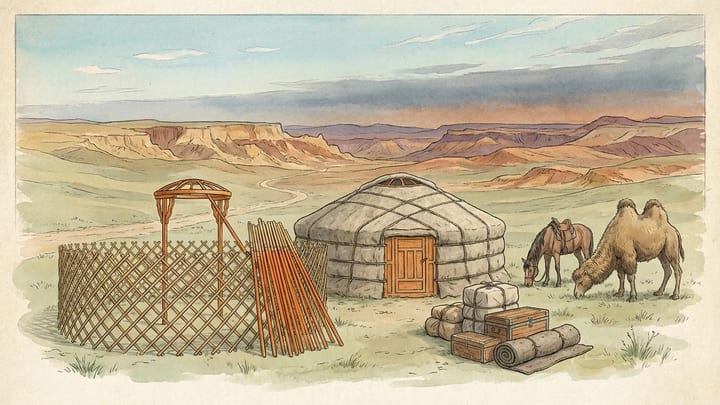
Investigate how a ger can be packed and moved, why Mongolian horses are small and hardy, how two-humped camels survive the Gobi and what happens during a dzud.
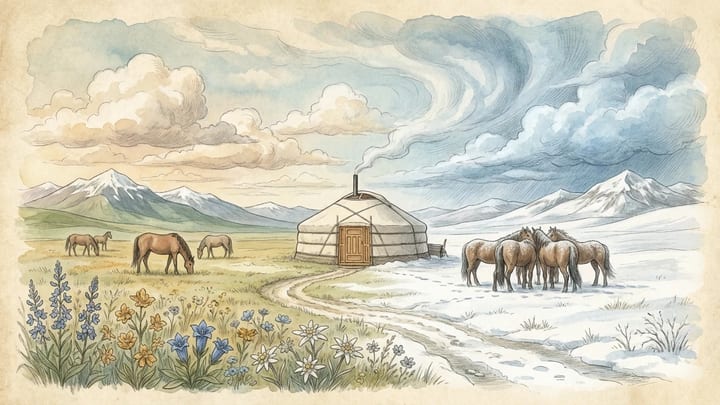
How might your home, food and daily routines change if you lived through Mongolia’s grassland summers and very cold winters?
Build a picture of Peru through its geography, places, people and the remarkable fibre of the wild vicuña.
A quick introduction to Peru’s location, languages, landscapes, history, food and well-known places.
Travel across Peru from home and gather questions about the Andes, Amazon, cities, wildlife and culture.
Discover the fine fibre of the wild vicuña and explore how animal fibres, natural dyes and textile traditions connect with Andean life.
Follow a festival journey through the Andes towards Cusco, meeting landscapes, music and traditions along the way.
Laurie Krebs’ rhyming story follows travellers moving through the Andes towards Cusco for the Inti Raymi festival.
Explore a food tradition with care, then review Peru’s geography, history and culture through an interactive quiz.
A cultural food video about cuy. Preview it before sharing because it discusses—and may show—an animal many children know as a pet being prepared as food.
An interactive quiz to revisit Peru’s geography, landscapes, wildlife, history and culture.
Follow your curiosity into Andean engineering, high-altitude wildlife, ancient farming and the Amazon watershed.
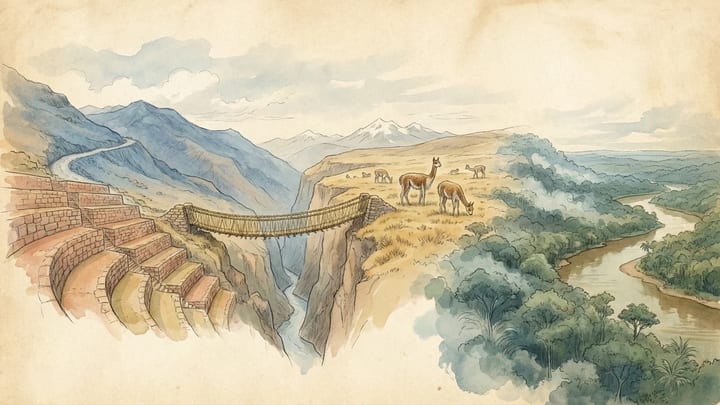
Investigate how Inca stonework fitted together, how woven-grass bridges cross deep gorges, why vicuñas thrive at altitude and how water travels from the Andes into the Amazon.
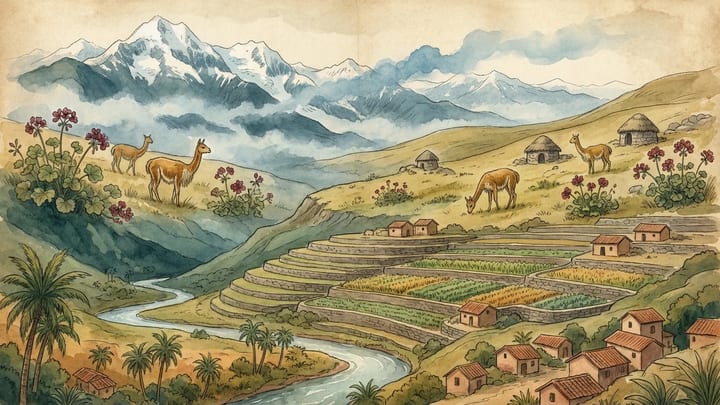
How can altitude change the weather, farming, homes and animals within the same country?
Begin with the continents, locate Türkiye and then look closely at Cappadocia’s extraordinary volcanic landscape.
Review one common seven-continent model before asking how Türkiye can have land in both Europe and Asia.
Find the country and explore introductory facts about its geography, cities, language and culture. The video uses the English name Turkey; Türkiye is now the country’s official English name.
See Cappadocia from above and notice the valleys and rock formations shaped from volcanic material over millions of years.
Use these books to explore Türkiye, travel, culture and geography together.
Demi retells a Nasrettin Hoca folktale in which a shabby coat, a grand coat and a feast reveal the foolishness of judging people by appearance.
Use these extras to explore language, culture, history and learning games.
Listen to the rhythm and sounds of Turkish while learning to count from one to one hundred.
Watch children taste several packaged snacks, then compare their reactions and wonder which foods are everyday, regional, homemade or celebratory.
An interactive quiz to revisit Türkiye’s geography, culture, language and history.
Follow your curiosity into volcanic geology, changing city names, tea, tiles and woven patterns.
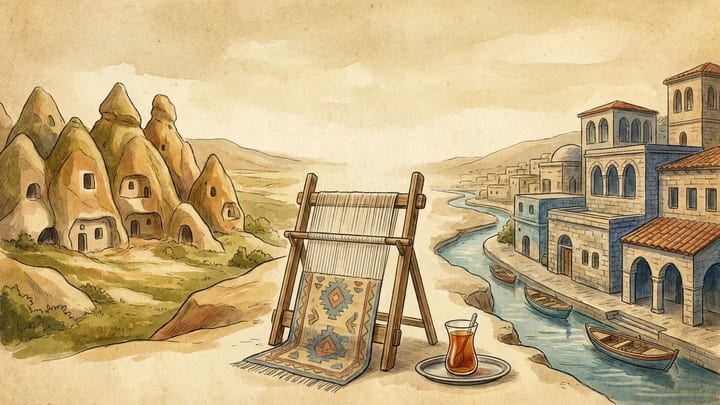
Investigate how Cappadocia’s soft rock formed, why Istanbul has had several names, how carpets are woven, why tea glasses have a narrow waist and how Iznik tiles are made.
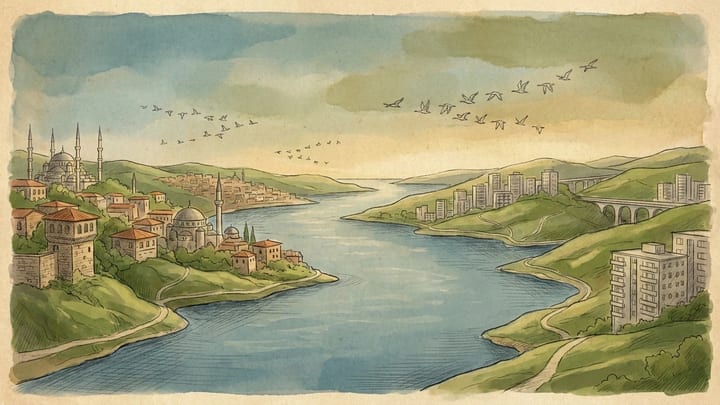
What changes—and what stays connected—when a city grows on two continents?
Explore Einstein’s life, gravity and the strange effects that appear when motion approaches the speed of light.
A child-friendly biography covering Einstein’s early life, work, major ideas and lasting importance.
Build a foundation for Einstein’s work by exploring how gravity acts between masses and shapes motion in the universe.
An animated first look at light, motion and why time behaves differently at extremely high speeds.
Enjoy books that introduce Einstein’s life, learning and curiosity.
Jennifer Berne’s picture-book biography follows Einstein from a curious child with a compass to an adult imagining journeys alongside light.
Author Brad Meltzer reads a lively biography about asking questions, persistence and thinking differently.
Try a thought experiment—the kind of imagination tool Einstein used to investigate questions before testing the mathematics.
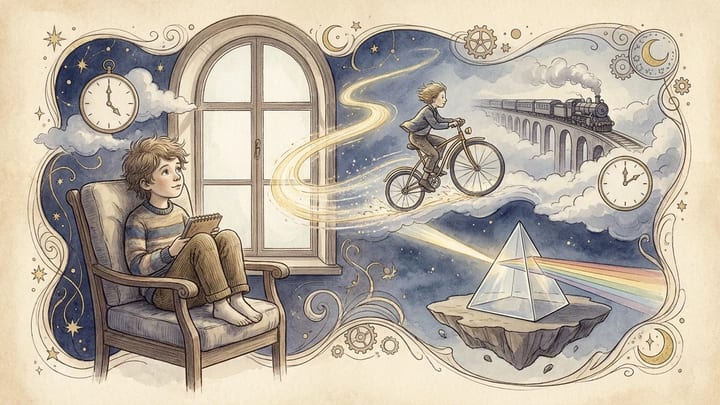
Imagine travelling beside a beam of light. What would you see? Then compare clocks on a fast train and at a station, drawing or discussing your predictions before learning what relativity says.
Follow your curiosity into light, gravity, time, black holes and the role of imagination in science.

Investigate why light has a speed limit, how gravity can bend light, why moving clocks tick differently, what E = mc² actually means and how Einstein’s ideas help GPS work.
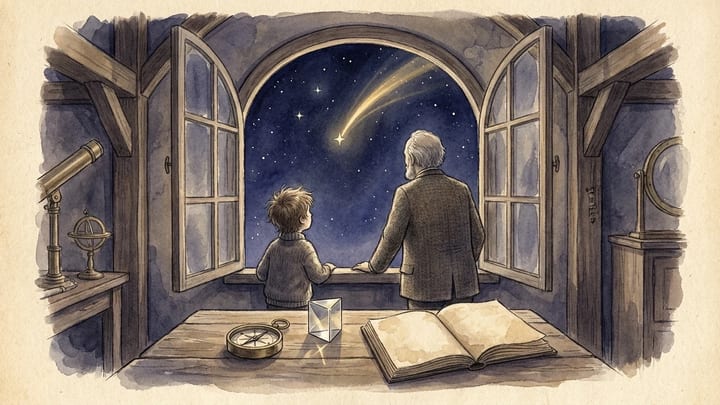
Which matters more at the beginning of a discovery: knowing an answer or imagining a better question?
Begin with two accessible introductions to Chanel’s childhood, fashion work and influence.
A child-friendly introduction to Coco Chanel’s life, exploring how her practical ideas and distinctive designs helped reshape twentieth-century fashion.
An animated biography tracing Coco Chanel’s journey from a difficult childhood to becoming an influential designer who challenged traditional fashion.
This funny video shows how women before Coco brought her new designs out dressed.
Enjoy books and stories about Coco Chanel’s life, childhood and creativity.
A short illustrated biography following Gabrielle Chanel from a difficult childhood to work as a designer.
Eva Byrne’s picture-book biography introduces Chanel’s childhood, imagination and determination.
A colourful video-book tour of Paris that introduces children to the city’s famous landmarks, culture and everyday life.
Look closely at how a designer balances purpose, comfort, materials and self-expression.
A practical introduction to fashion design, including how designers develop an idea and create a fashion sketch.
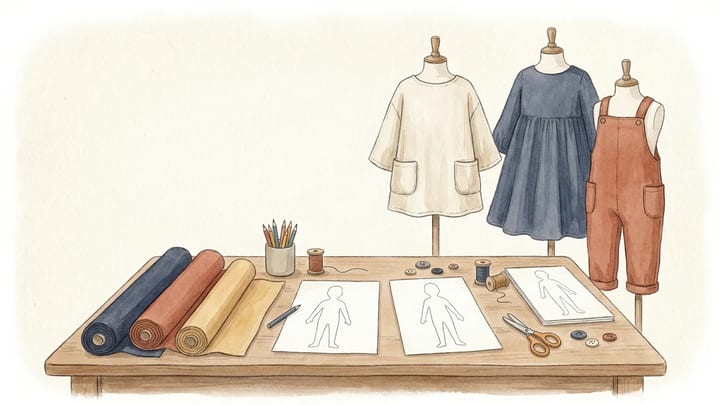
Sketch an outfit for a real activity—climbing, dancing, travelling or creating. Choose fabric, shape, fastenings and pockets, then explain how each decision helps the wearer.
See how much you have learnt about the life of Coco!
Follow fashion into fabric technology, changing social expectations, advertising, wartime history and ethical questions about creators.
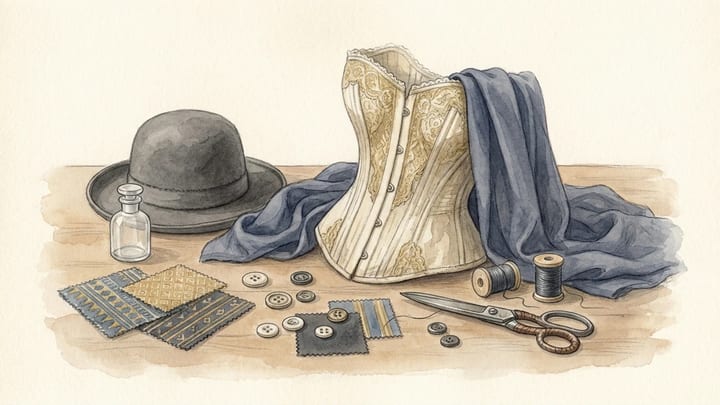
Who made fashionable clothes? How did jersey move from underwear to outerwear? Why did pockets matter? How do brands shape desire? And how should we remember influential people who also made harmful choices?
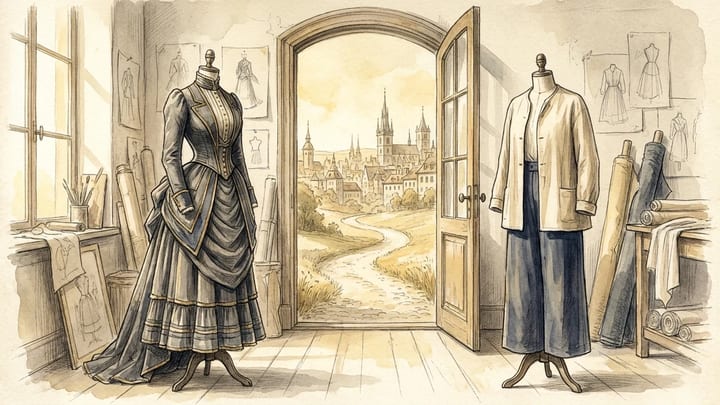
How can changing the design of clothing change what people feel able to do?

Begin with Dalí’s life and art, then widen the view to the bigger Surrealist movement.
A child-friendly introduction using photographs and examples of Dalí’s famous artworks to explain his life and unusual ideas.
A concise explanation of dreamlike art featuring Dalí alongside René Magritte, Dorothea Tanning and other Surrealists.
A grade-school art lesson introducing Dalí and Surrealism, followed by instructions for an imaginative watercolour project.
Share two illustrated stories that connect Dalí’s childhood imagination with the dreamlike art he later made.
A picture-book biography following Dalí from an imaginative child in Figueres to a world-famous artist.
Anna Obiols and Joan Subirana imagine young Dalí travelling through a landscape shaped by dreams and curiosity.
If you have ever need motivation to be your most authentic self, Salvador Dali inspires all to be true to themselves and follow their dreams.
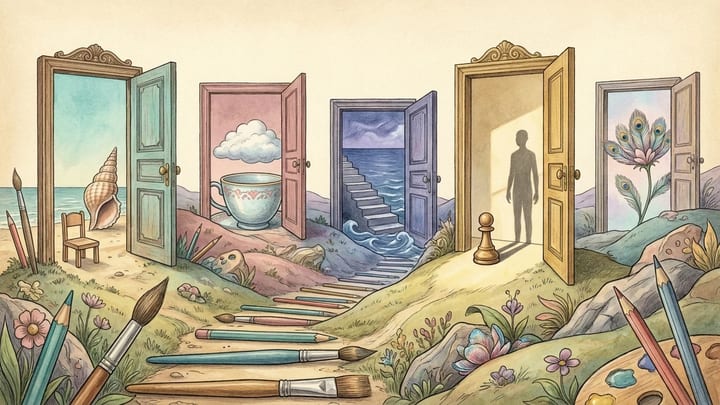
Use ordinary objects as raw material for an artwork that could not exist in the everyday world.

Choose two unrelated objects and combine them into one new invention, creature or landscape. Draw it carefully enough to look believable, then give it an impossible job.
Test your knowledge of who Salvador Dali was with this Kahoot game.
Follow Surrealism beyond melting clocks into games, dreams, film, sculpture and the work of many different artists.
Meet more Surrealists and compare how artists used dreams, unexpected combinations, chance and strange changes of scale.
Step inside a museum-made virtual environment inspired by one Dalí painting. Preview first if a child finds dream imagery unsettling, and remember that this is a modern interpretation rather than the original artwork.
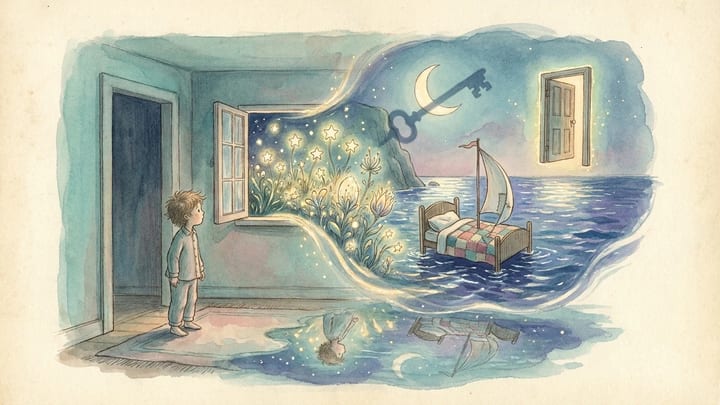
If you painted a dream, which parts would you make look real—and which would you make impossible?
Watch child-friendly videos about why bodies make gas.
A playful introduction to digestion, gut bacteria and why gas needs a way out.
A more detailed animation about swallowed air, microbial fermentation and the gases produced during digestion; best for older or especially curious children.
Use humour and straightforward science to make normal body sounds easier to discuss.
A funny read-aloud by Dawn McMillan that gives children a playful way to talk about body sounds
Shinta Cho’s reassuring picture book explains where gas comes from and reminds children that everyone passes it.
Review the science together with a quick family quiz.
Test what you remember about digestion, microbes and gas.
Follow gas into microbiology, animal digestion, communication and climate science.

Discover why researchers collected evidence about which animals pass gas—and how a funny question can open the door to anatomy, biodiversity and climate research.

How can creatures too small to see change what happens inside your body?